
The stock market is one of the largest segments of the global financial system. Every day, billions of dollars are traded there as market participants — traders and investors — buy and sell company stocks and other securities.
But what exactly are stocks and funds? Let’s break it down.
What is a stock?
A stock is a security that represents a share of ownership in a company.
If a company is public, anyone can buy its shares. Even owning one share makes you a shareholder and gives you rights to a portion of the company’s profits and assets.

Why do people buy stocks?
To receive dividends — a portion of the company’s profits distributed among shareholders.
To earn on price growth — buying shares at a lower price and selling them at a higher one.
The higher the demand for a company’s shares (for example, due to its profit growth), the higher their price goes.

Why do people trade stocks?
he main goal is profit.
Investing in stocks is riskier than keeping money in a bank account, but the potential returns are much higher.
Example:
A bank deposit with a 5% interest rate will bring \$50 a year on a \$1,000 deposit.
Successful stock investments can generate 30–50% profit over the same period, though poor decisions may lead to losses.
Funds and indexes (like the FTSE 100) allow you to invest in multiple companies at once and generate 5–15% annual returns with long-term holding.

How does stock trading work?
Stocks are bought and sold through brokers on stock exchanges.
Traders use different strategies:
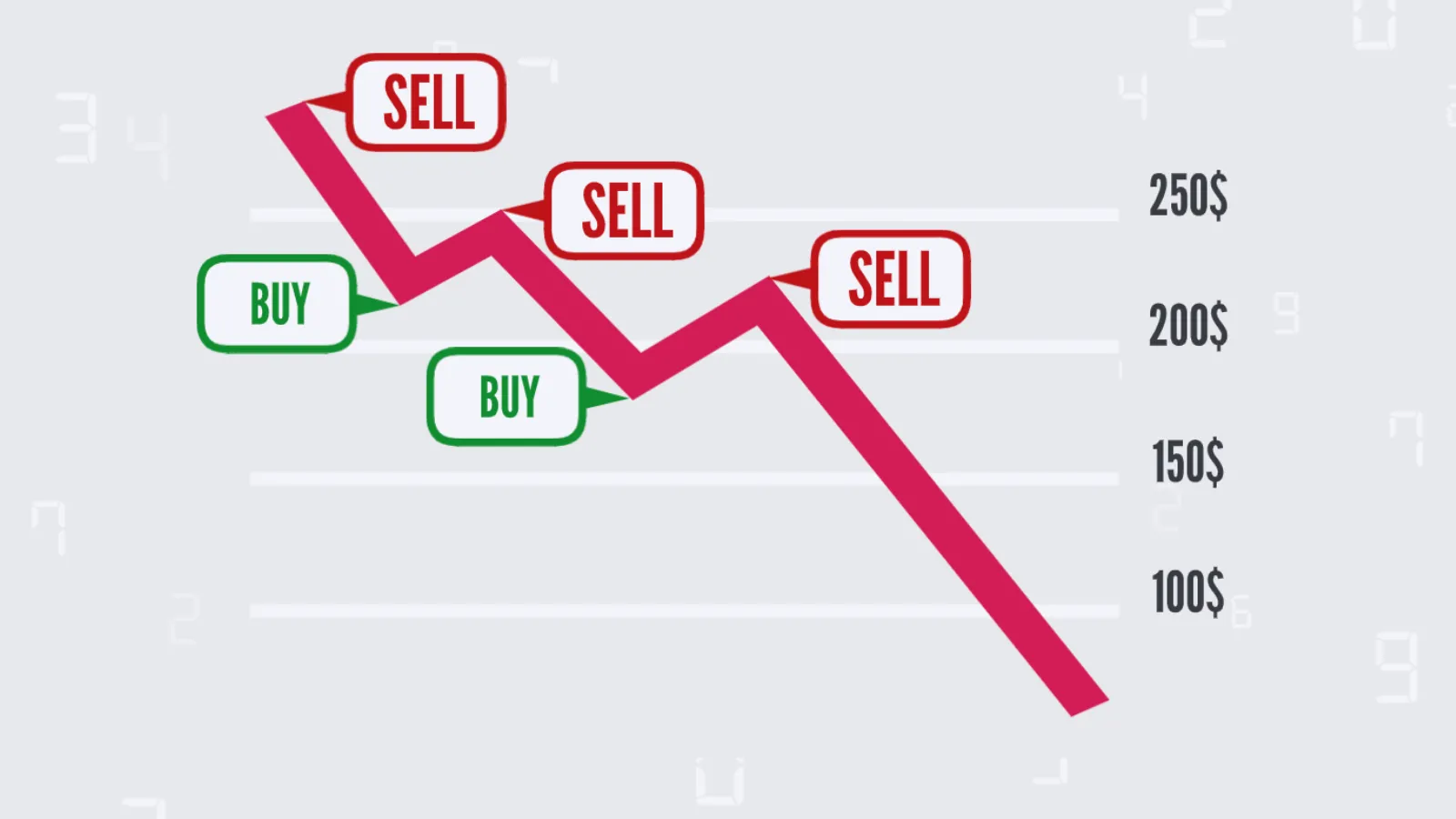
Short-term trading (days or weeks): based on technical analysis and reactions to news.
Long-term investing (months or years): based on fundamental analysis — evaluating a company’s business, financial performance, and prospects.
There are also strategies like short selling — selling shares you don’t own with the goal of buying them back later at a lower price.
Short-term vs. long-term trading
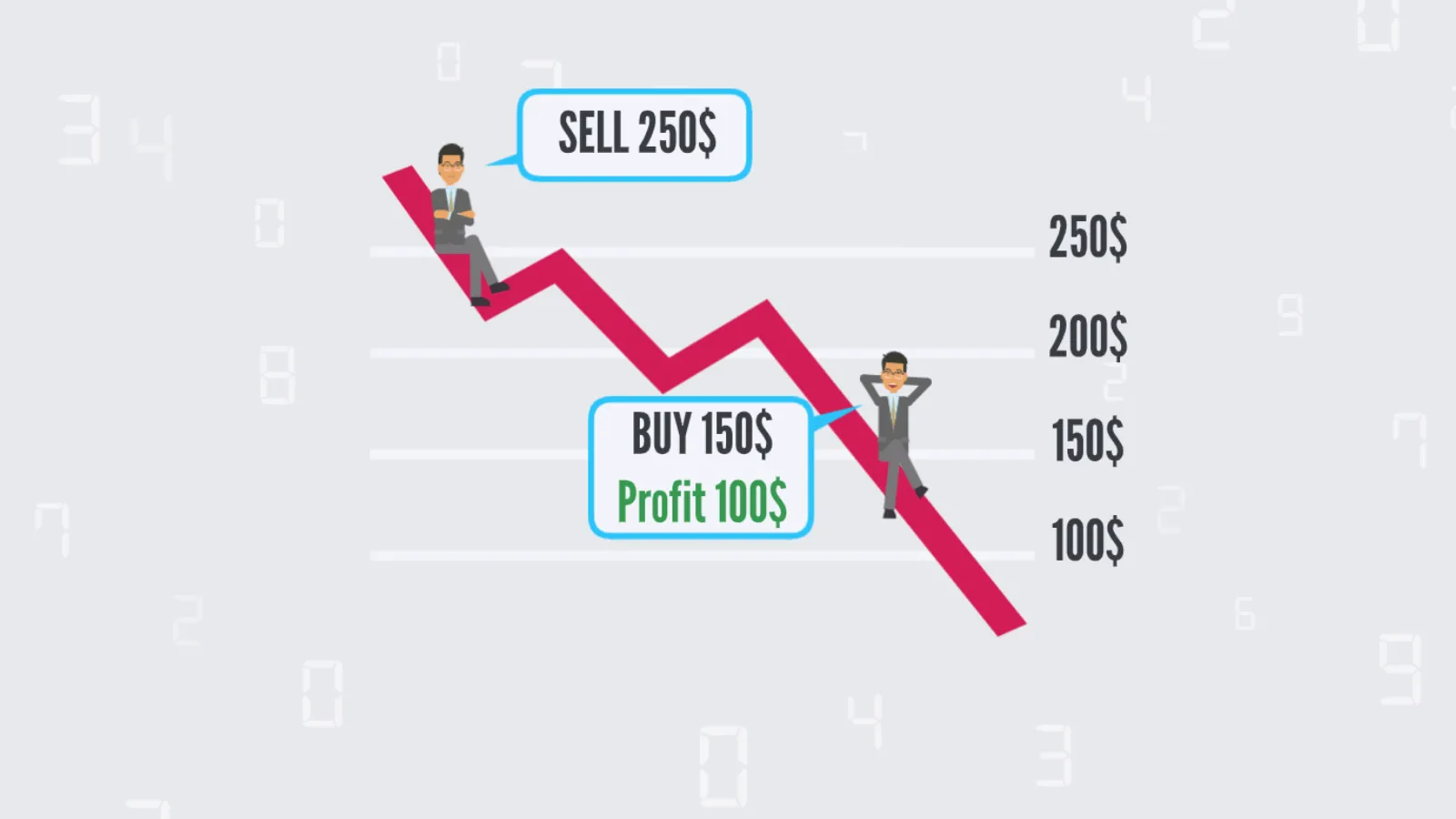
Short-term tradersmake dozens or even hundreds of trades, focusing on price fluctuations and chart analysis.
Long-term investors hold stocks for extended periods, relying on company growth and overall market trends.
Each strategy has its pros and cons — the choice depends on your trading style and goals.
Conclusion
Stocks are a way to become a co-owner of a company and earn from its price growth or dividends. A well-chosen portfolio of stocks and funds can generate higher returns than bank deposits, but it requires knowledge, analysis, and careful risk management.
ical analysis, since over long periods it does not lose its effectiveness and can serve as an additional tool.