

The stock market trades shares of companies of all sizes. And industry giants aren’t always the best choice for a trader. Companies of different sizes have their own advantages, risks, and trading opportunities.
To properly compare companies and assess their investment appeal, it’s important to understand what market capitalization is.
What is market capitalization?
Market capitalization is the total value of all a company’s shares currently in circulation.
Formula:
MC = NS × SP
Where:
NS — number of shares outstanding
SP — share price
Example:
If a company has 100,000 shares priced at \$10 each, its market capitalization is \$1,000,000.
Important:
If the stock price goes up or down, the company’s capitalization changes as well.
Why divide companies by capitalization?
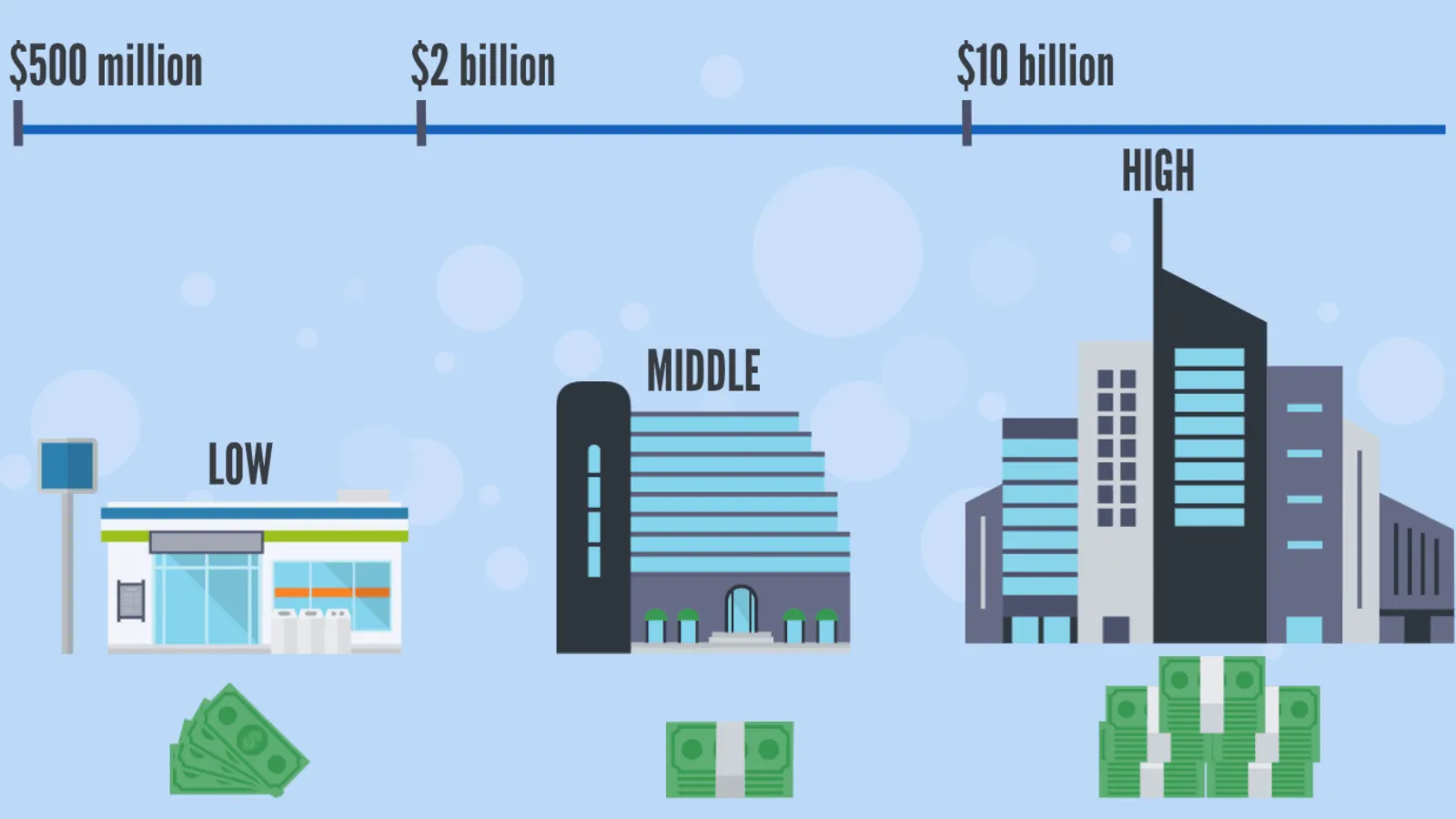
Knowing a company’s market value allows investors to group stocks and build balanced portfolios. Companies are typically divided into three categories:
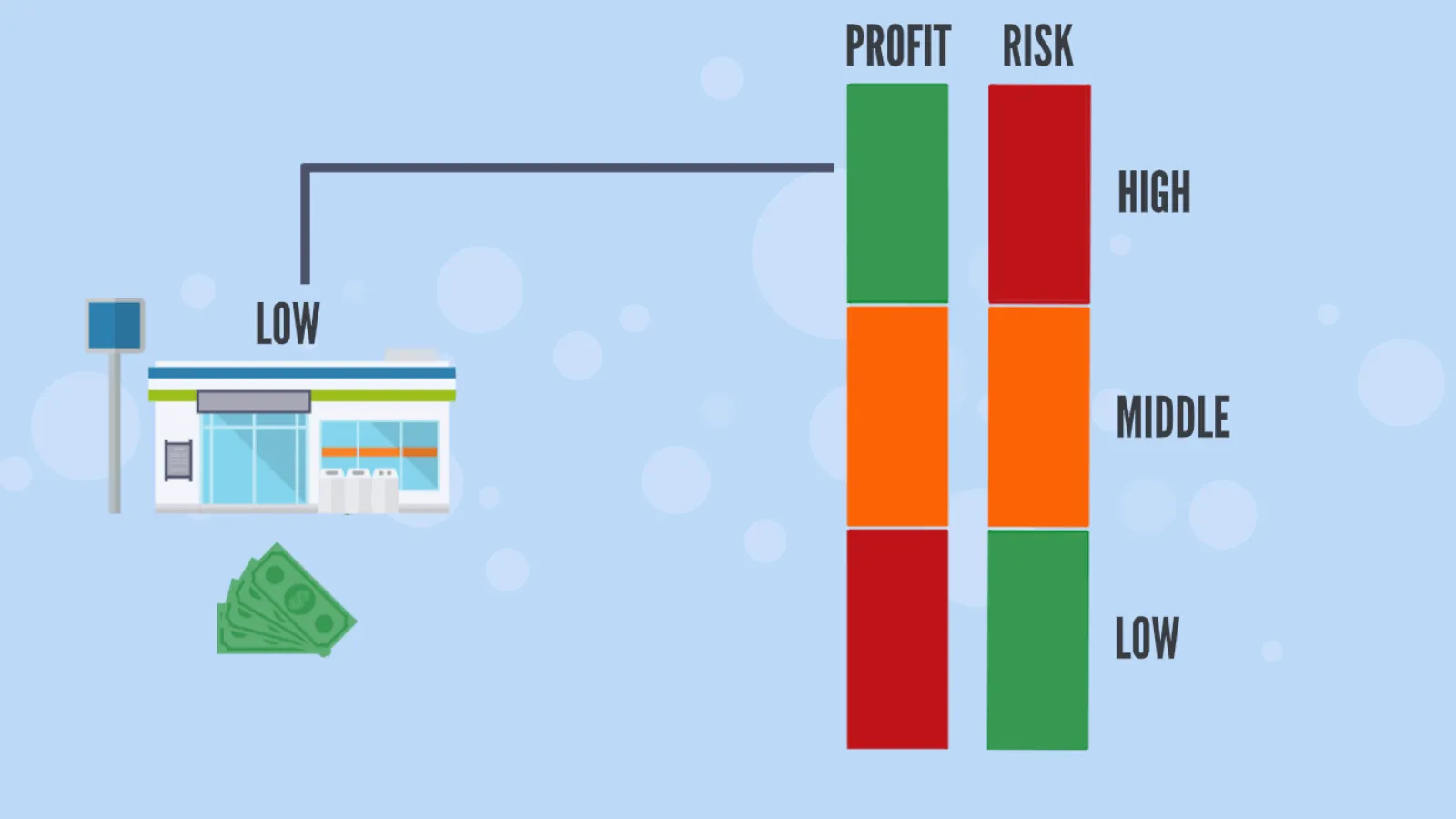
- Small Cap — from \$500 million to \$2 billion
- Mid Cap — from \$2 billion to \$10 billion
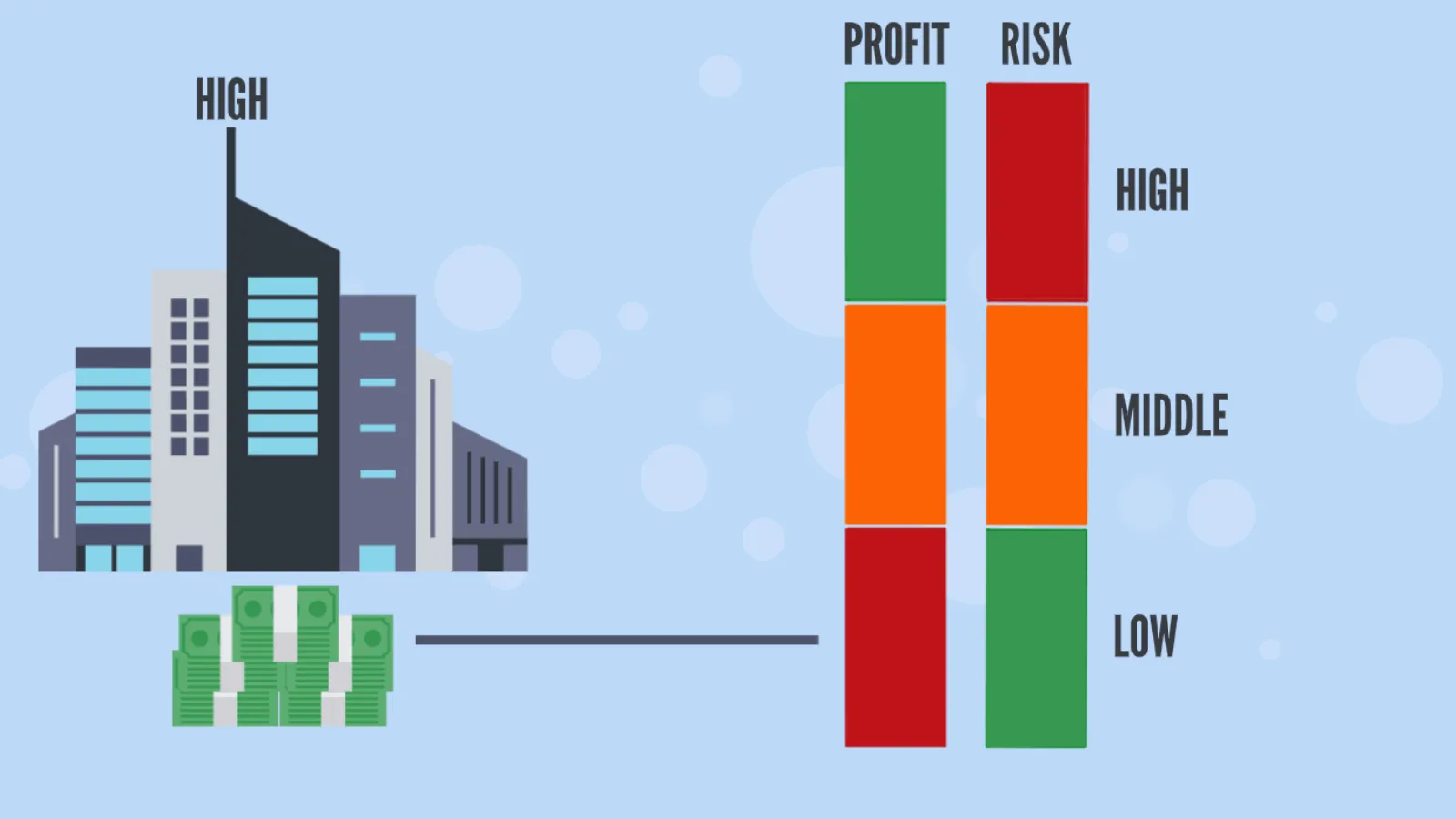
- Large Cap — over \$10 billion
Small Cap Companies
Who are they?
Young, lesser-known companies still in development.
Advantages:
- Lower-priced shares — more affordable to buy.
- High growth potential — especially during economic expansion.
- More transparency in management — investors may gain more detailed insights.
Disadvantages:
- High risk — greater chance of bankruptcy.
- Unstable dividends — profits are often reinvested into growth.
- Higher volatility — sharp price swings make forecasting harder.
Mid Cap Companies
Who are they?
Companies that have established a niche but are still growing.
Advantages:
- Balance of risk and return — lower risk than small caps.
- Growth potential — higher than large corporations.
- More stable dividends.
Disadvantages:
- Risks remain — especially during economic downturns.
- Lower liquidity than large companies.
Large Cap Companies
Who are they?
The largest corporations with market capitalization exceeding \$10 billion.
Advantages:
- Highest stability — safer investments.
- Regular dividends.
- High liquidity — easy to buy and sell shares.
- Crisis protection — large reserves help withstand downturns.
Disadvantages:
- Limited rapid growth potential — these companies have often reached maturity.
- Expensive shares — higher entry threshold.
- Complex analysis — large company reports require experience to evaluate.
How to distribute investments?
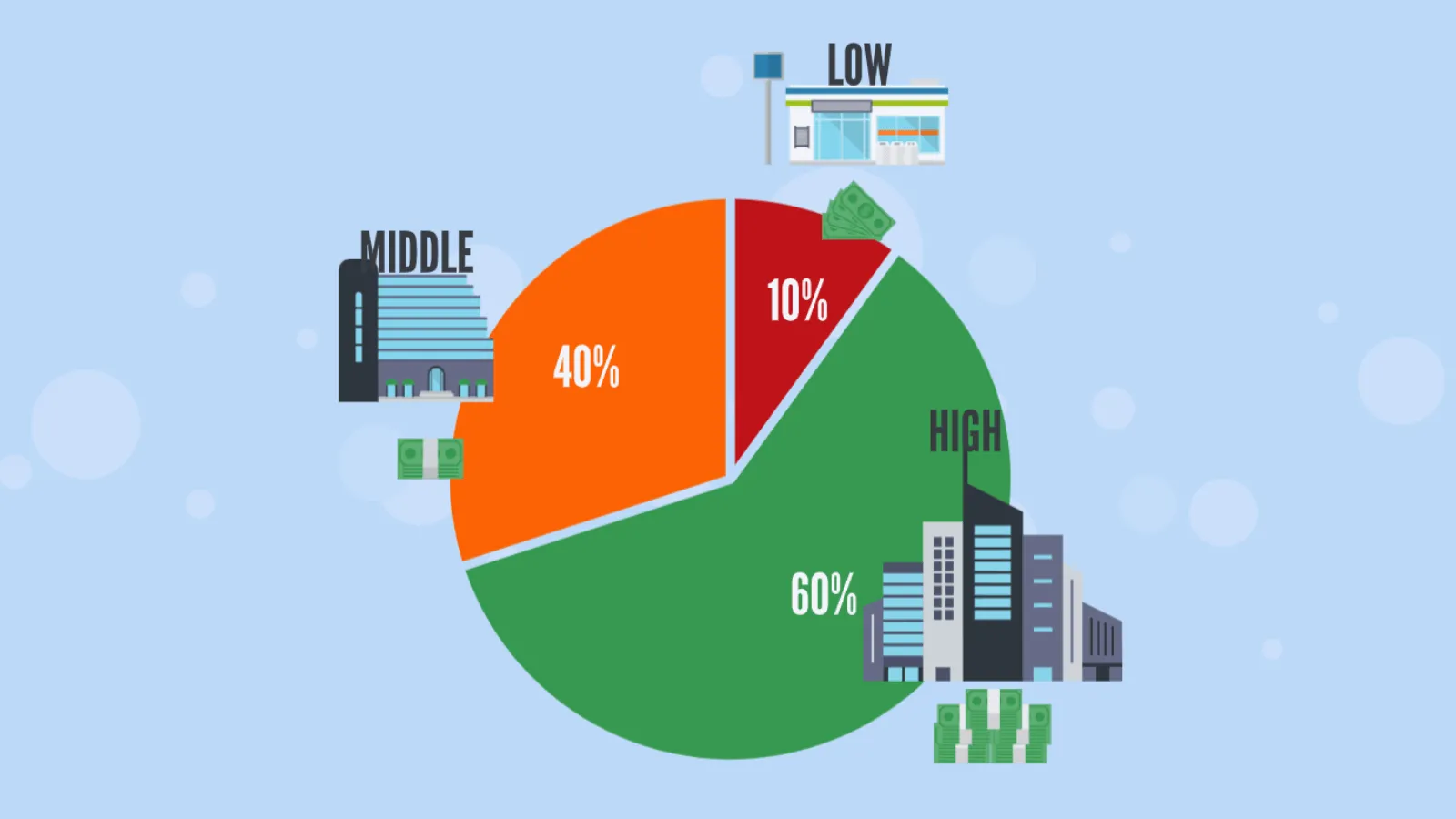
It’s not recommended to keep all your funds in one category of stocks.
A balanced portfolio includes:
Large companies — for stability and dividends.
Medium and small companies — for higher growth potential.
This approach reduces risks while opening opportunities for higher returns.
Conclusion
Market capitalization is a key metric for assessing a company’s size, risks, and prospects. By combining stocks from different categories, you can build a more stable and effective investment portfolio.