To become a trader, you need to know the key Forex terms. Don’t worry if you don’t remember everything at once — you can always come back to this section.
Currency Pairs
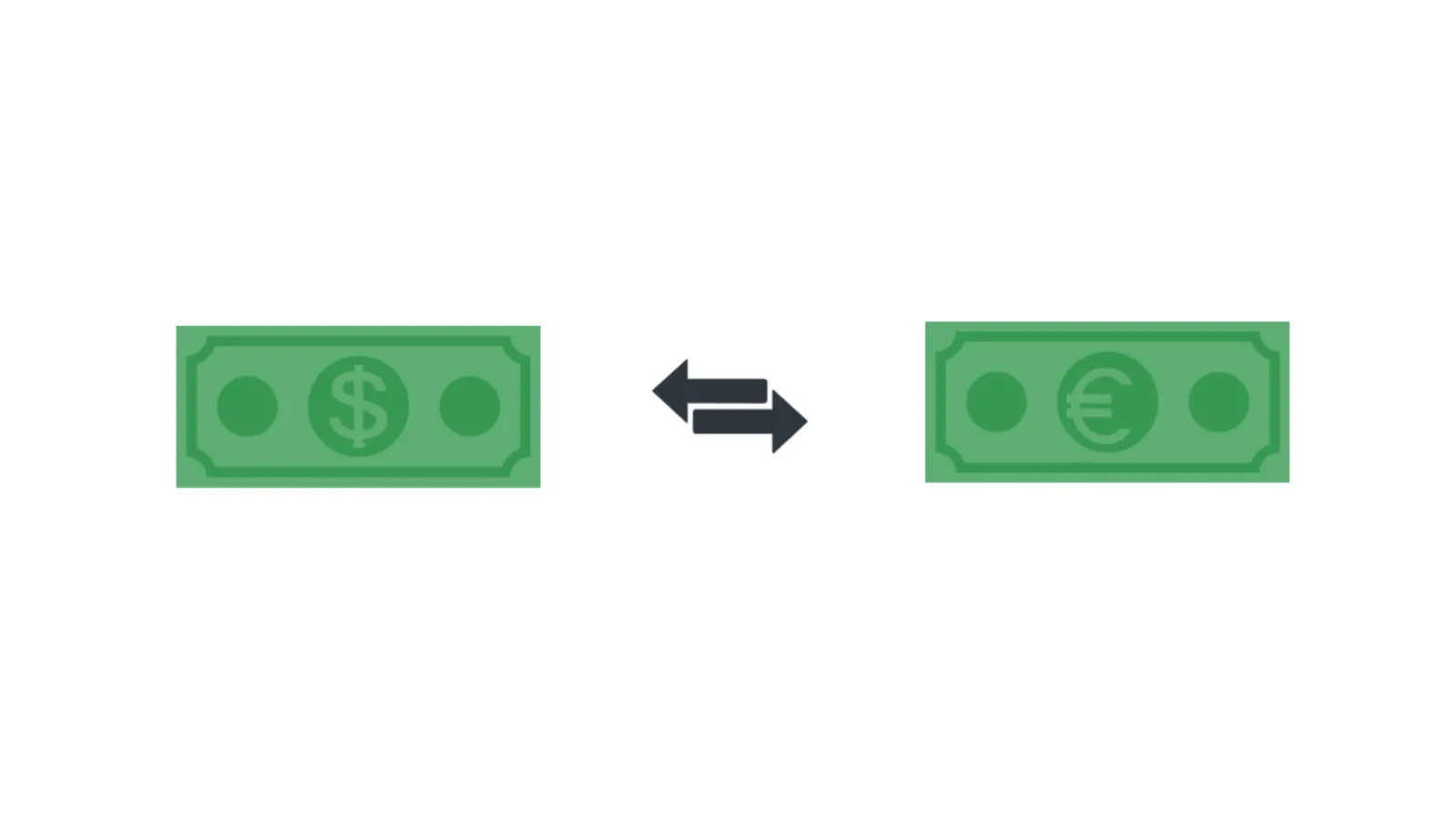
In Forex, there are always two currencies — this is called a currency pair.
Example:
GBP/USD = 1.6
This means 1 pound is worth 1.6 dollars.
Important:
The first currency is the base (equals 1).
The second is the quote (shows the price of the base).
Remember:
If the pair rises → the base currency strengthens.
If the pair falls → the base currency weakens.
Pips
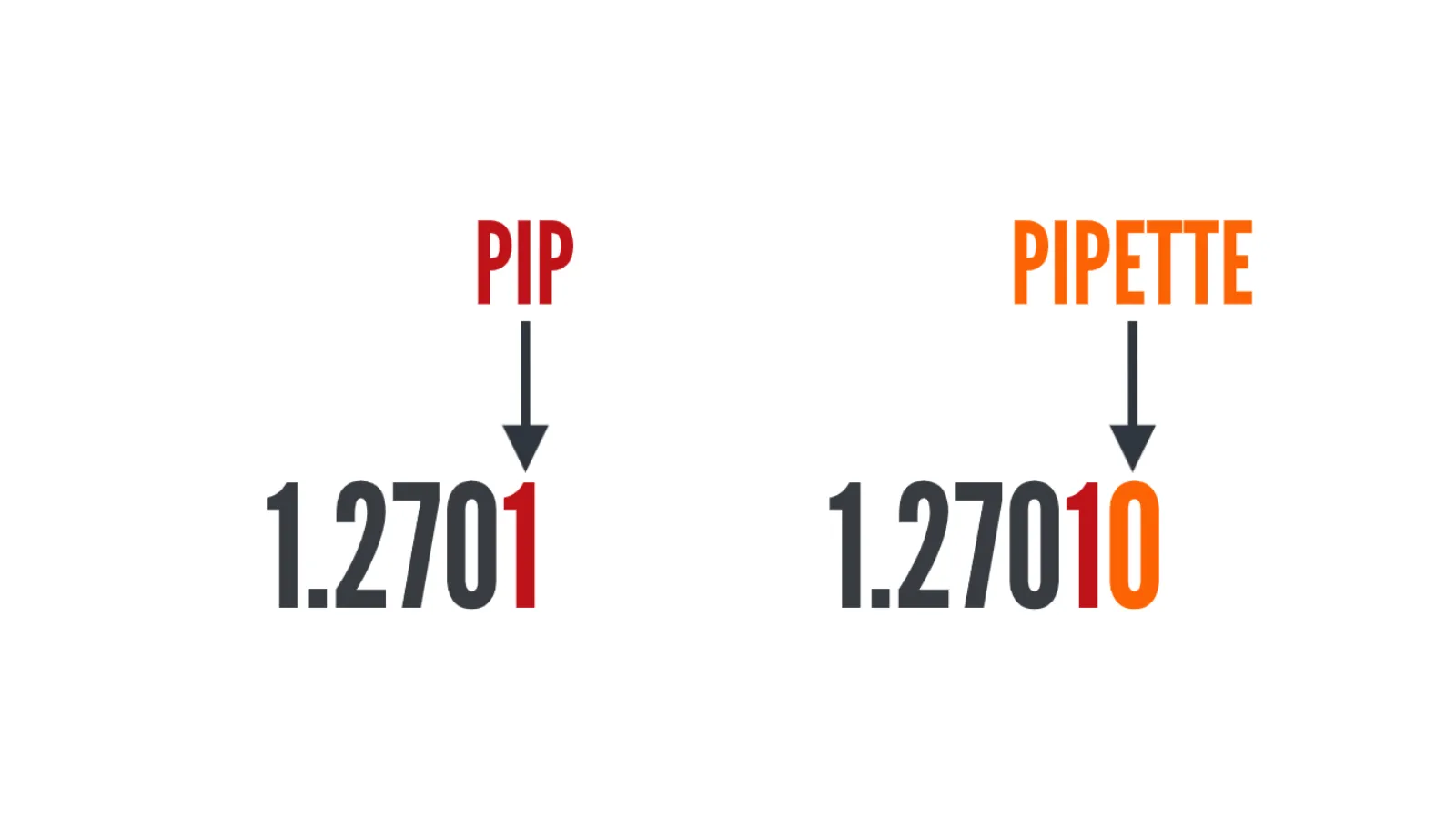
A pip is the smallest change in price.
Example:
EUR/USD = 1.2700 → 1.2701 → increased by 1 pip.
Most brokers use 5 decimal places: fractional pips (pipettes).
Special note for the yen:
For pairs with JPY, a pip is the second digit after the decimal.
Spread
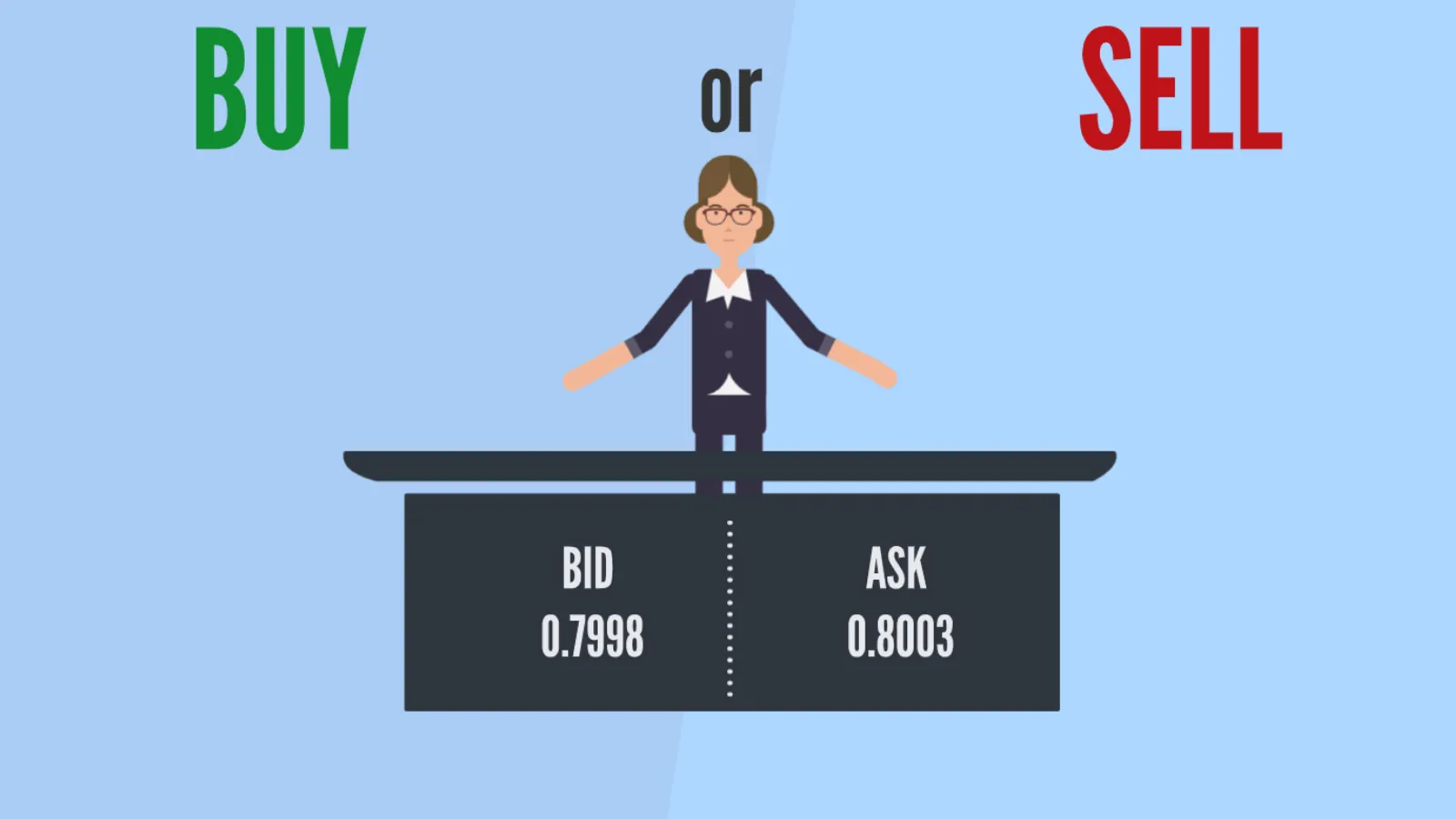
The spread is the difference between the buy price (ask) and the sell price (bid).
Example:
Buy price for AUD/USD = 0.8002.
Sell price = 0.7998.
Spread = 4 pips.
This is the broker’s commission for the trade.
Bid and Ask
Bid — the price at which the broker buys from you.
Ask — the price at which the broker sells to you.
Charts
A chart shows price movement over time:
Vertical axis — price.
Horizontal axis — time.
Japanese Candles
The most popular type of chart.
A candle shows:
- Opening and closing prices.
- Minimum and maximum price for the period.
- Color: price increase or decrease.
Intervals range from 1 minute to 1 year.
Trading Platform
A platform is software for trading (for example, MetaTrader 4).
Through it, you can:
Buy/sell assets.
Set stop-loss and take-profit orders.
Analyze charts and trade history.
Trading Instrument
An instrument (asset) is what you trade: currency pairs, gold, oil, stocks, etc.
Opening and Closing Positions
Opening a position — entering the market (buying or selling).
Closing a position — locking in profit or loss.
Stop-Loss and Take-Profit
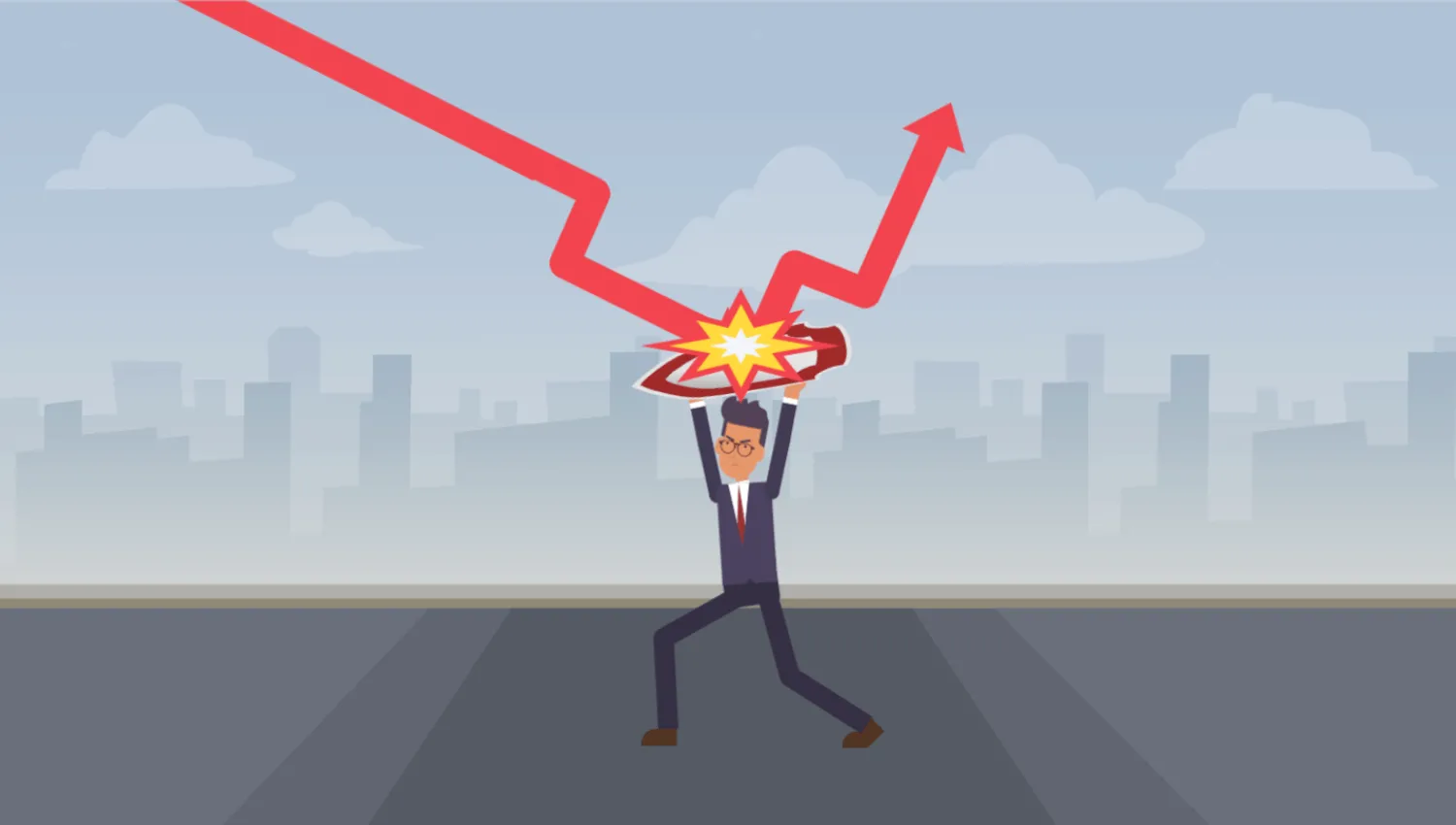
Stop-loss — automatically closes a trade at a maximum loss.
Take-profit — closes a trade when a set profit target is reached.
Bulls and Bears
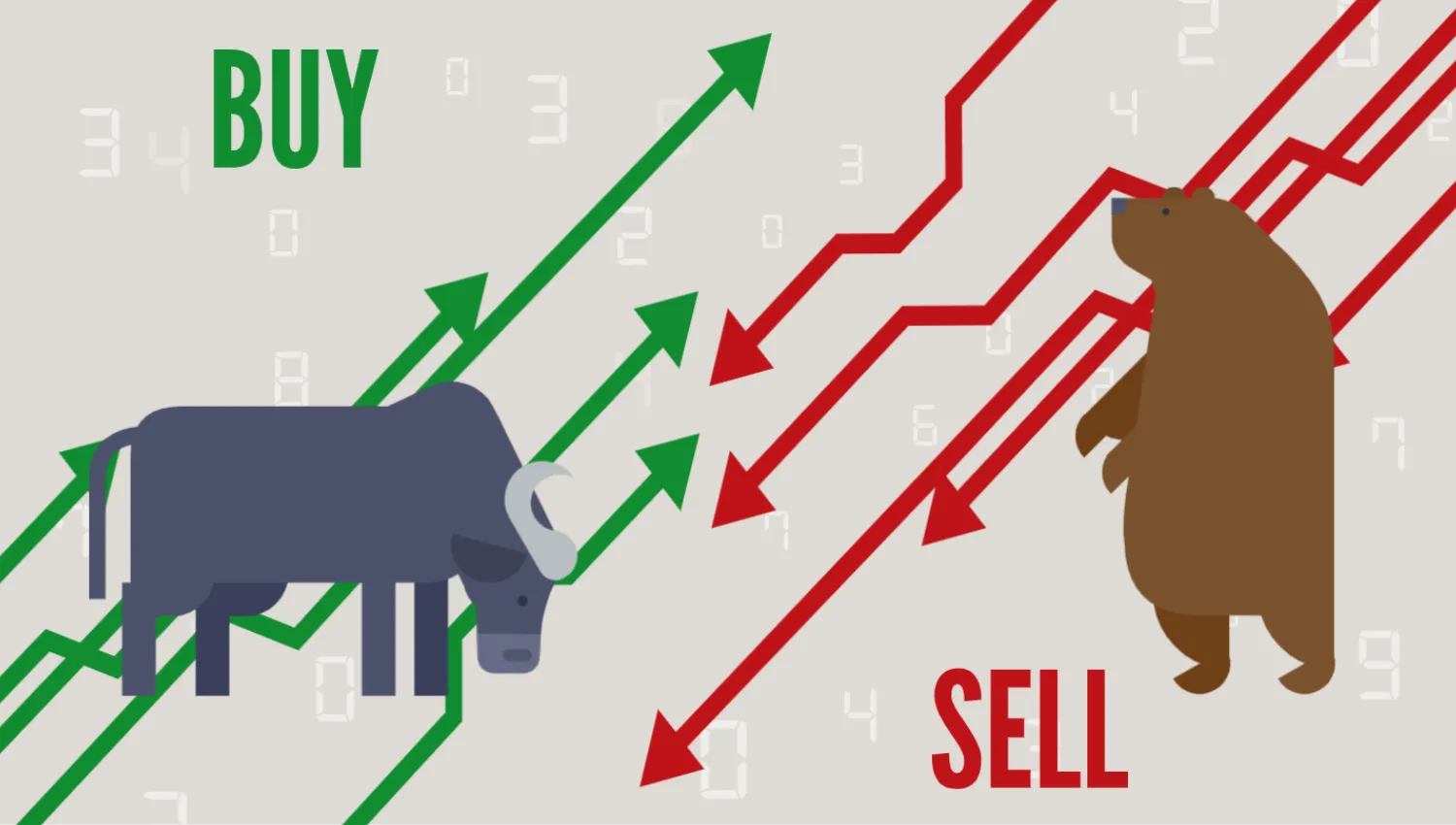
Bulls — trade for price growth.
Bears — trade for price decline.
Long and Short Positions
Long position — buying, expecting the price to rise.
Short position — selling, expecting the price to fall.
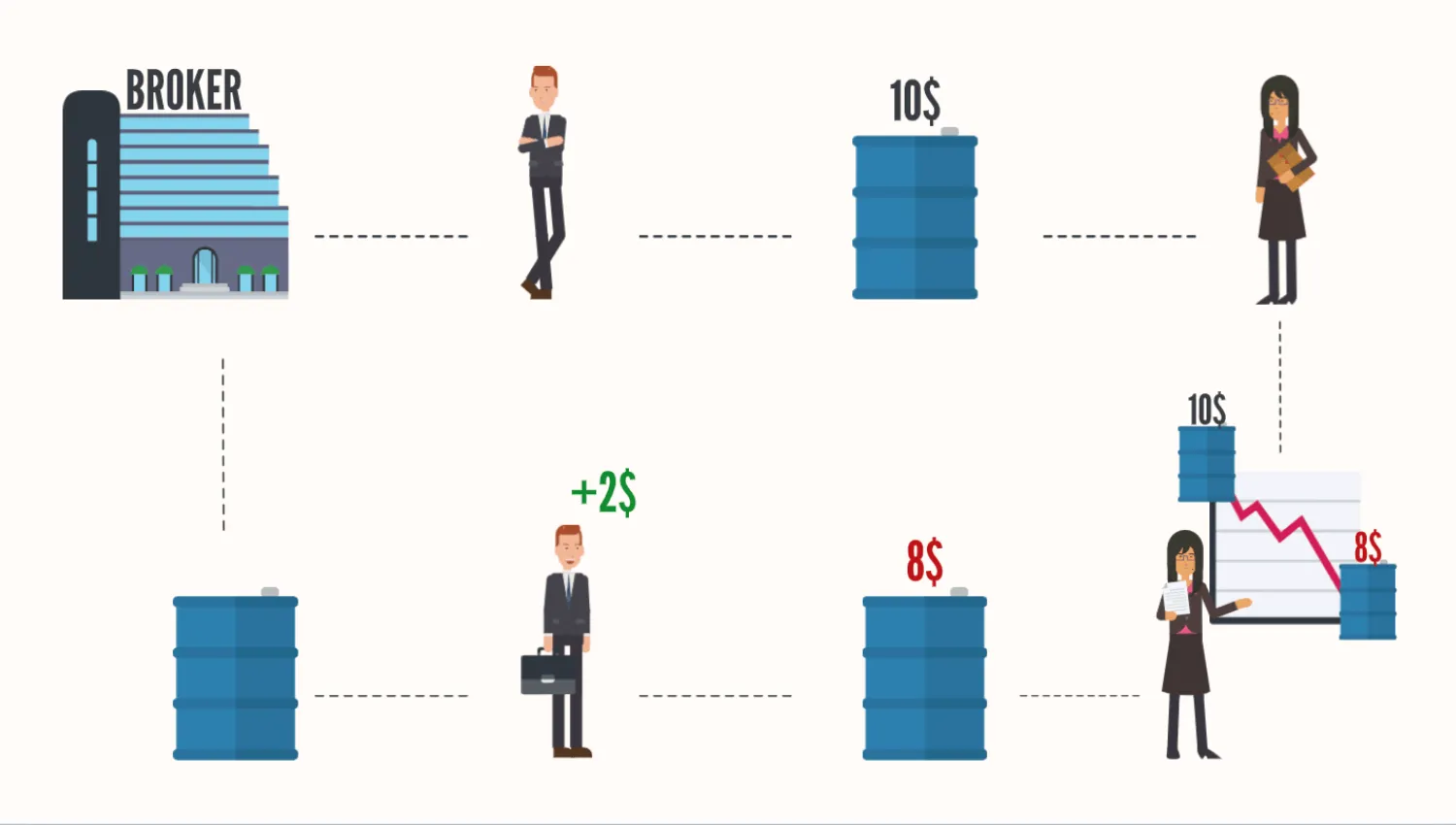
In Forex:
Buying EUR/USD → you buy euros with dollars.
Selling EUR/USD → you sell euros and buy dollars.
Risk/Reward Ratio
Risk/Reward shows how much you risk compared to how much you want to earn.
Example:
Risk: \$10.
Potential profit: \$30.
Ratio = 1:3.
Conclusion
These terms are the foundation of trading. Master them, and analyzing and managing trades will become much easier.