
Many beginners believe that success in trading depends only on mastering fundamental and technical analysis. In reality, the main skill of a trader is the ability to control emotions. It is emotional reactions that most often destroy even the best strategies.
The Role of Psychology in Trading
One successful trade doesn’t make someone a good trader. It takes many trades, strict adherence to a system, and discipline even in the face of losses.
The hardest part: staying calm in stressful situations.
As Dr. Van Tharp noted, trading psychology plays a decisive role:
- Psychology — 60%
- Capital management — 30%
- Strategy — 10%

Even the best strategy won’t bring profit if emotions take control.
The Comfort Zone
The comfort zone is a state where the trader stays calm, makes logical decisions, and follows the system.
Some people can easily enter this state, others find it harder. But everyone can learn to control their behavior and reduce emotional dependence on trading.
Emotions That Destroy Trading
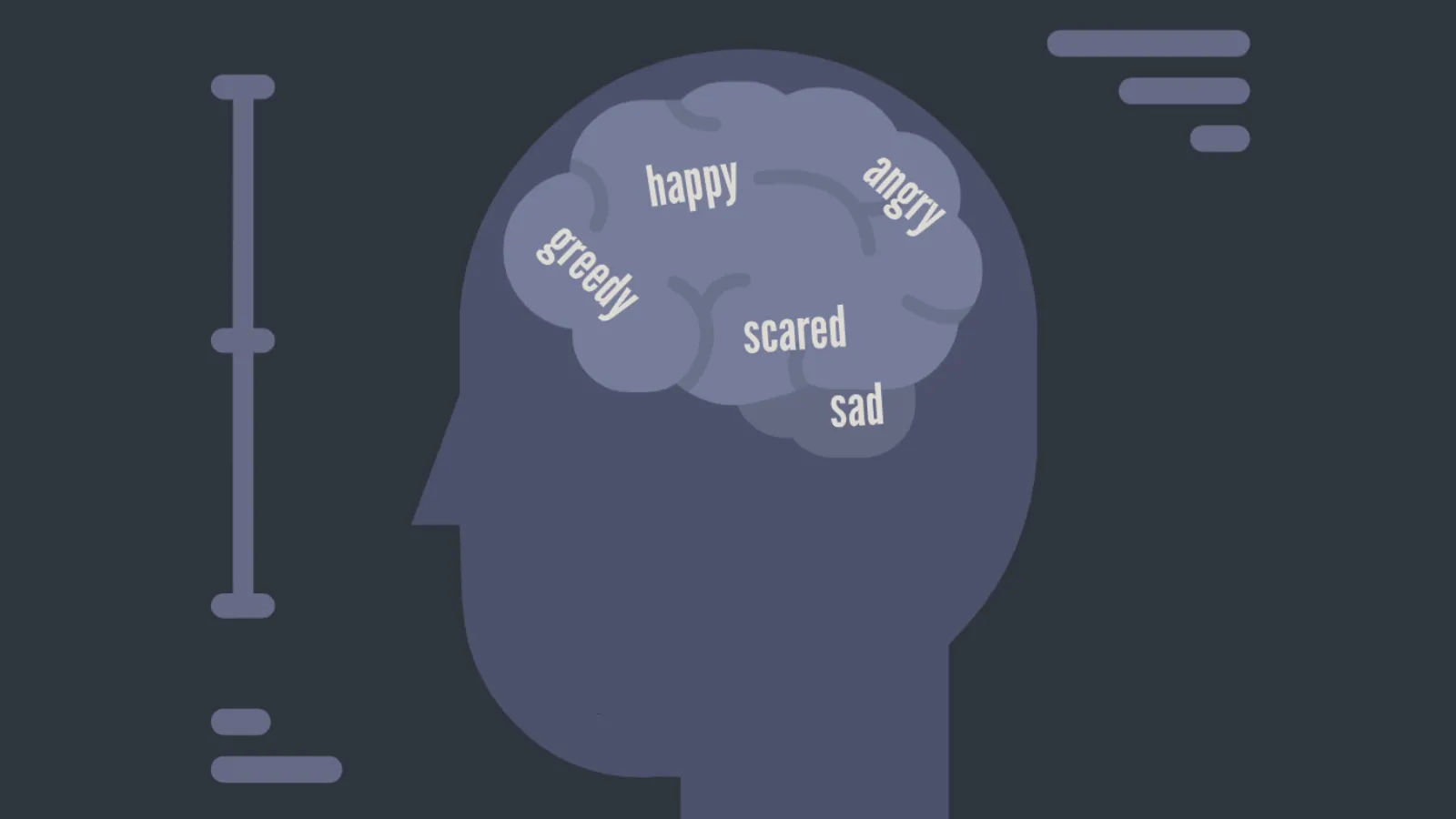
1. Fear
What traders fear: losses or missing out on profits.
How it manifests:
Closing losing trades too early (before the stop-loss is hit).
Taking profits too soon.
Consequences: The strategy becomes unprofitable because the trader cuts winning trades short and lets losses grow.
2. Greed
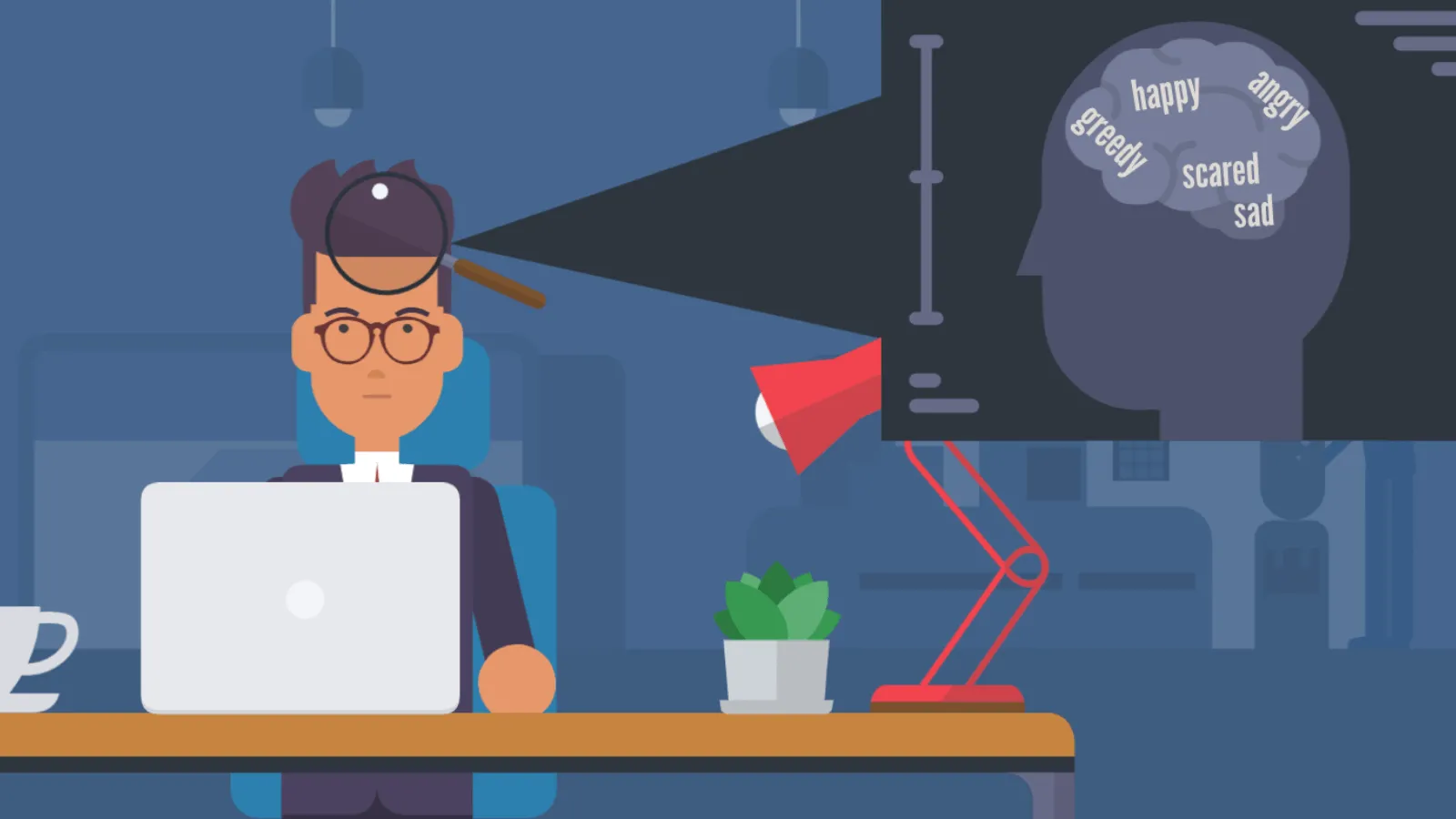
What happens: the trader breaks the plan to earn more.
Example: Not closing a trade at the target profit level, hoping for even more growth.
Result: A price reversal turns profit into loss.
3. Ego
Essence: refusal to admit mistakes.
How it manifests:
Holding losing positions (“the market will turn around, I’m right!”).
Refusing to adjust after a loss.
4. Revenge Trading
A dangerous state: wanting to quickly “win back” losses.
Consequences: Trades are made without a plan, leading to more losses.
How to Reduce the Impact of Emotions?
- Trade with a tested strategy
A strategy you’ve tested and understand builds confidence. - Start with a demo account
This reduces psychological pressure and helps you practice without the risk of losing money. - Accept risk as part of the process
Losses are a normal part of trading. A successful trader doesn’t let fear or greed influence future decisions.
Conclusion
Emotional control is the main skill of a trader.
Fear, greed, and ego lead to breaking the plan and losing capital. Discipline, accepting risks, and following a tested system help make rational decisions and maintain stability in trading.