

One of the main advantages of Forex is that it operates around the clock, 5 days a week (24/5).
But the trading day is divided into sessions:
- Asian (Sydney, Tokyo)
- European (London)
- American (New York)
Each has its own features, liquidity, and volatility.
Why is it important to know session times?
Different currencies are active at different times of the day.
Liquidity and spreads depend on the session: during peak hours, spreads are lower and trade execution is better.
News and key economic events are released at specific times, sharply moving the market.
Global Trading Sessions (GMT)
| Session | Trading Hours | Features |
| ———— | ————- | ———————————————————————- |
| Sydney | 22:00 – 07:00 | Low volatility, minimal price movement. |
| Tokyo | 00:00 – 09:00 | Active for JPY, AUD, NZD; wider spreads. |
| London | 08:00 – 17:00 | Largest trading volume (38% globally). Low spreads, high liquidity. |
| New York | 13:00 – 22:00 | Second largest session. Maximum volatility during overlap with London. |
Note: Adjust times to your time zone (for Europe: GMT+1 in winter, GMT+2 in summer).
Characteristics of Each Session
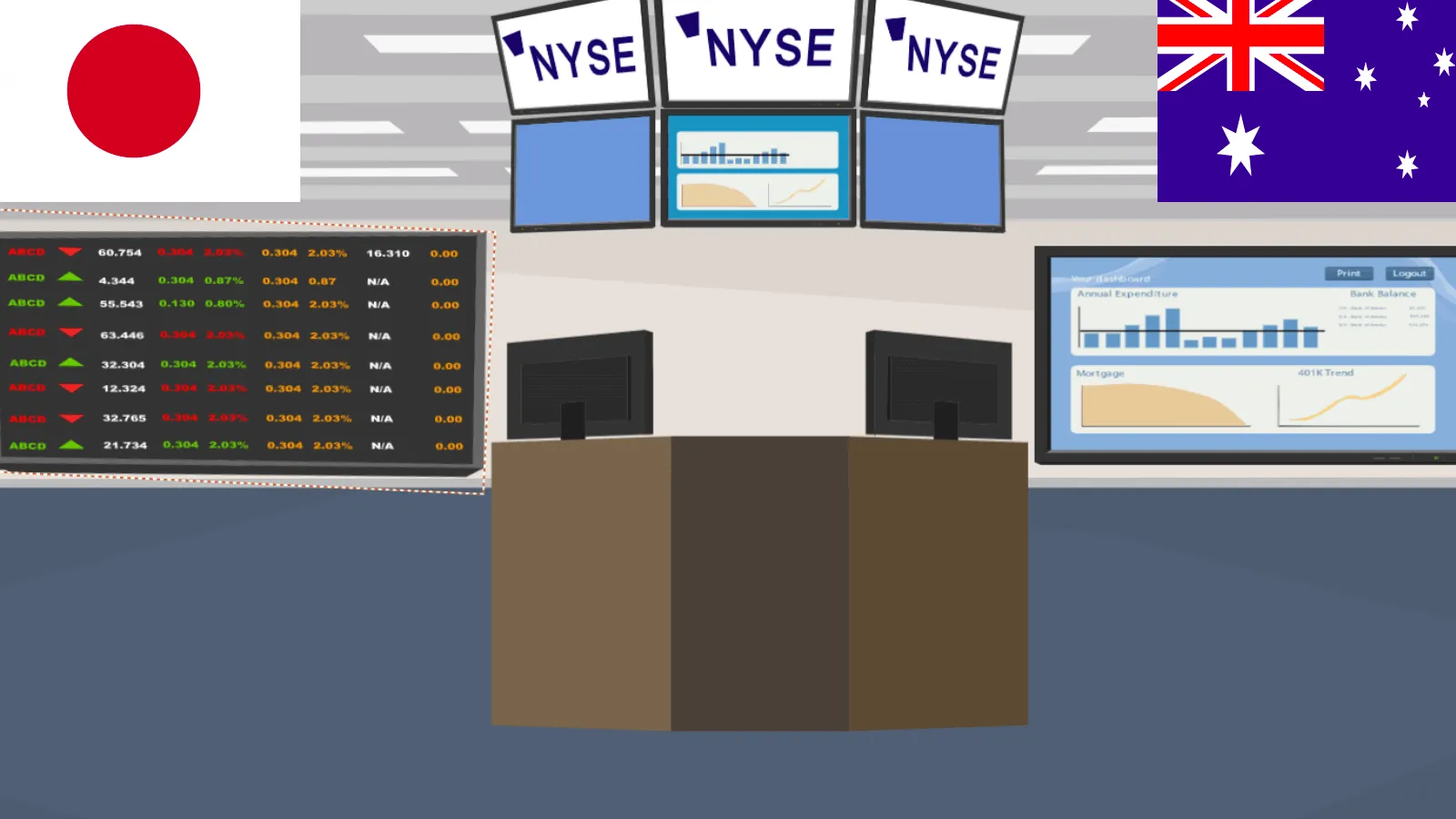
Asian (Sydney + Tokyo)
Start: 22:00 GMT.
Main currencies: AUD, NZD, JPY.
Features:
Low volatility and liquidity.
Higher spreads.
Best pairs: AUD/JPY, AUD/USD, NZD/USD, USD/JPY.

European (London)
Start: 08:00 GMT.
Volume share: \~38% of all trades.
Features:
High liquidity, low spreads.
Most active trading hours.
Best pairs: major pairs (EUR/USD, GBP/USD, USD/CHF).

American (New York)
Start: 13:00 GMT.
Features:
Maximum volatility in the first hours.
Overlap with London (13:00–17:00 GMT) = peak activity.
Gradual decrease in liquidity after 17:00 GMT.
Overlapping Sessions = Best Trading Time
Tokyo + London: 08:00–09:00 GMT → sharp moves in JPY crosses.
London + New York: 13:00–17:00 GMT → most liquid period of the day.
During overlaps:
- Spreads are at their lowest.
- Orders execute quickly.
- Volatility increases — ideal for short-term trading.
Things to Watch Out For
Early Monday (Asian session) and late Friday (US session) = low activity.
Holidays (UK and US bank holidays) → sharp drop in trading volume.
News releases (NFP, GDP, interest rates) → sudden price moves and spread widening.
Tip: Always check the economic calendar — news releases follow a schedule.
Key Takeaway
The best time to trade is the overlap of London and New York sessions (13:00–17:00 GMT)
If you trade JPY, AUD, or NZD pairs — choose the Asian session
If you want low spreads and high liquidity — trade during the European session