

To trade on financial markets, you need a broker. Who are they, and why do you need one? Let’s figure it out.
Why do you need a broker?
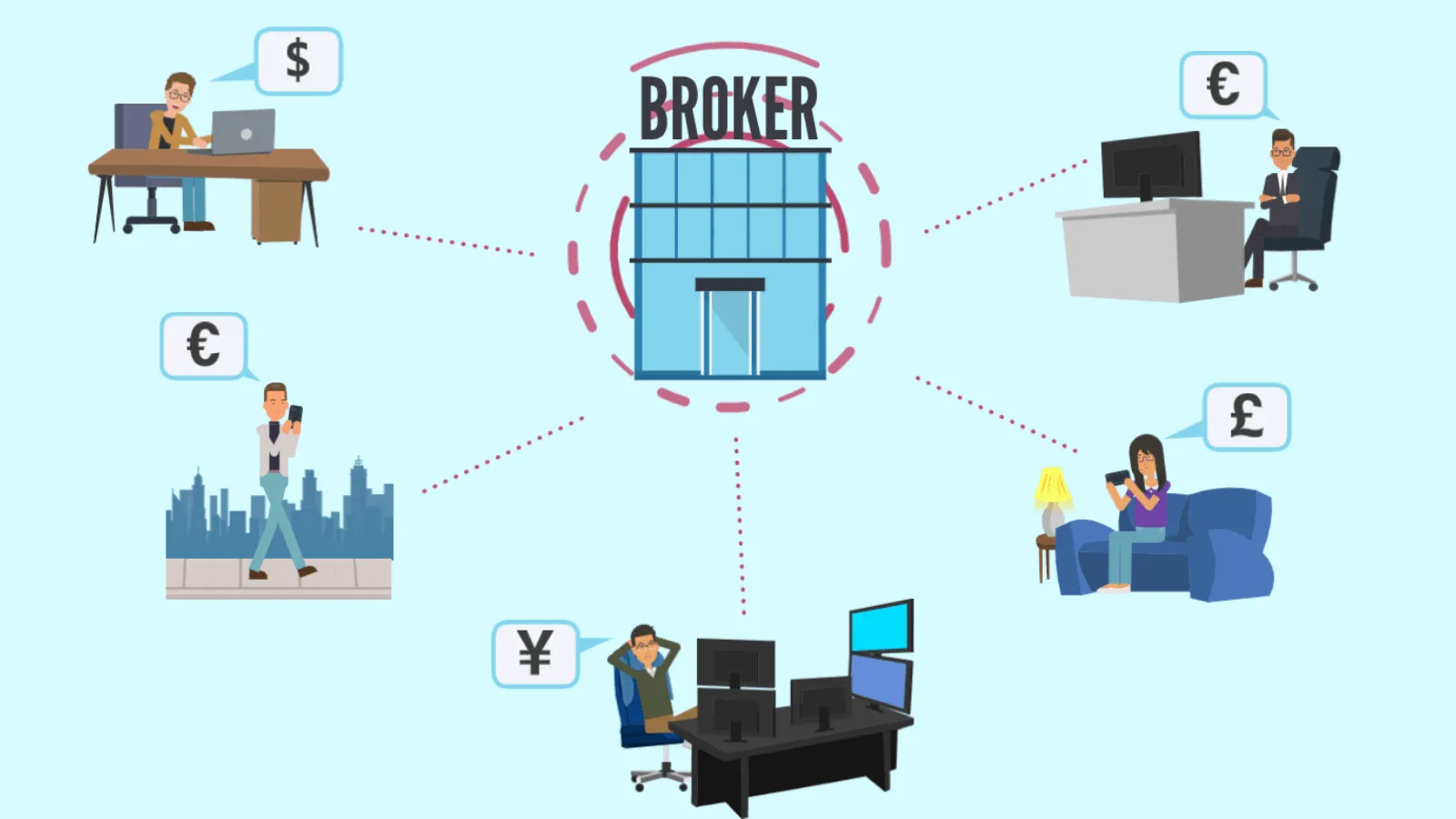
Imagine you want to buy peaches. You go to a marketplace where sellers and buyers meet. The seller puts goods on the counter, and you buy what you need.
In financial markets, it works the same way. But instead of peaches, there are currencies, stocks, or other assets, and instead of a counter, there’s a brokerage platform that connects buyers and sellers.
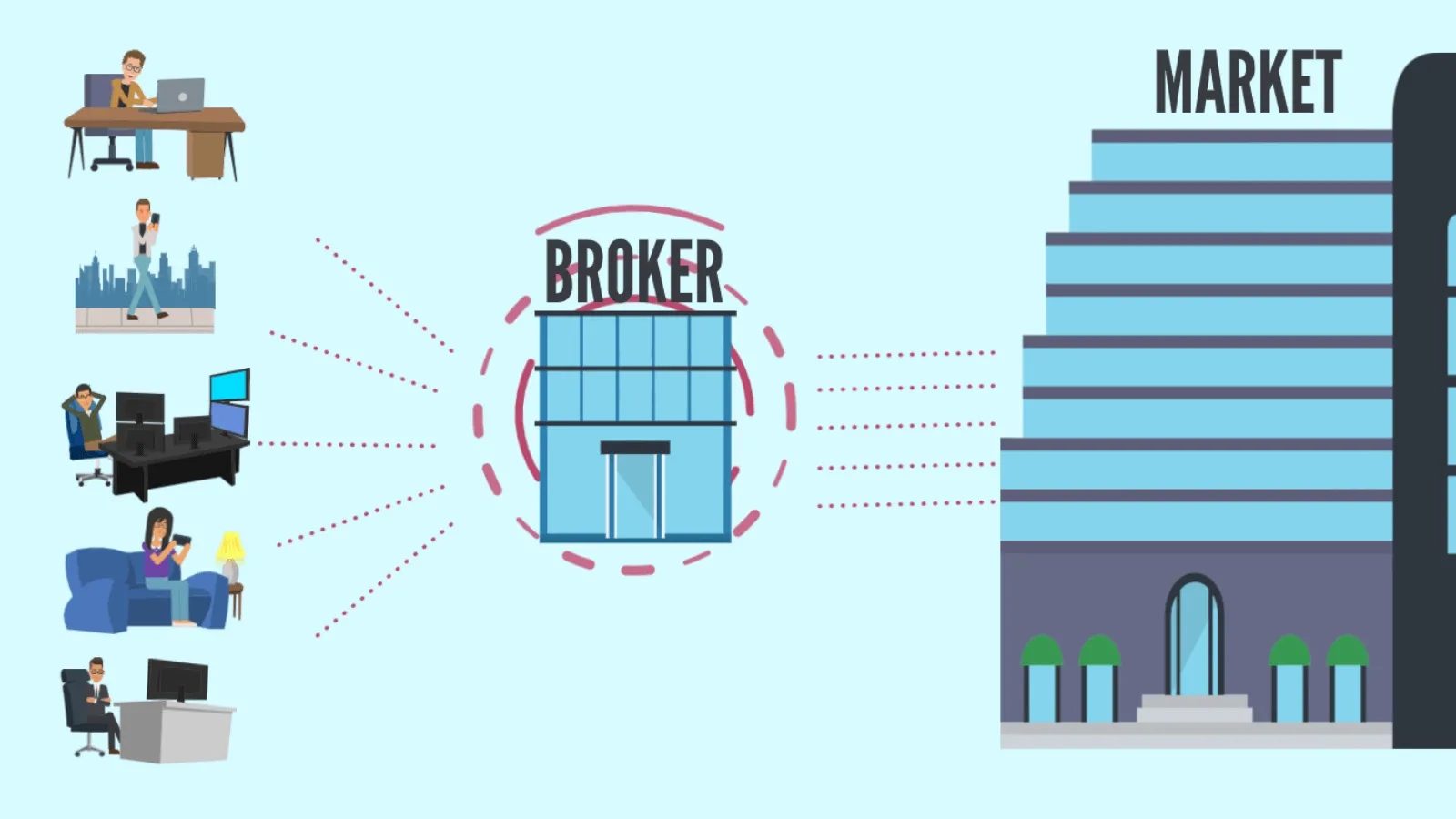
A broker is a middleman between a trader and the market. They provide access to trades and help find counterparties.
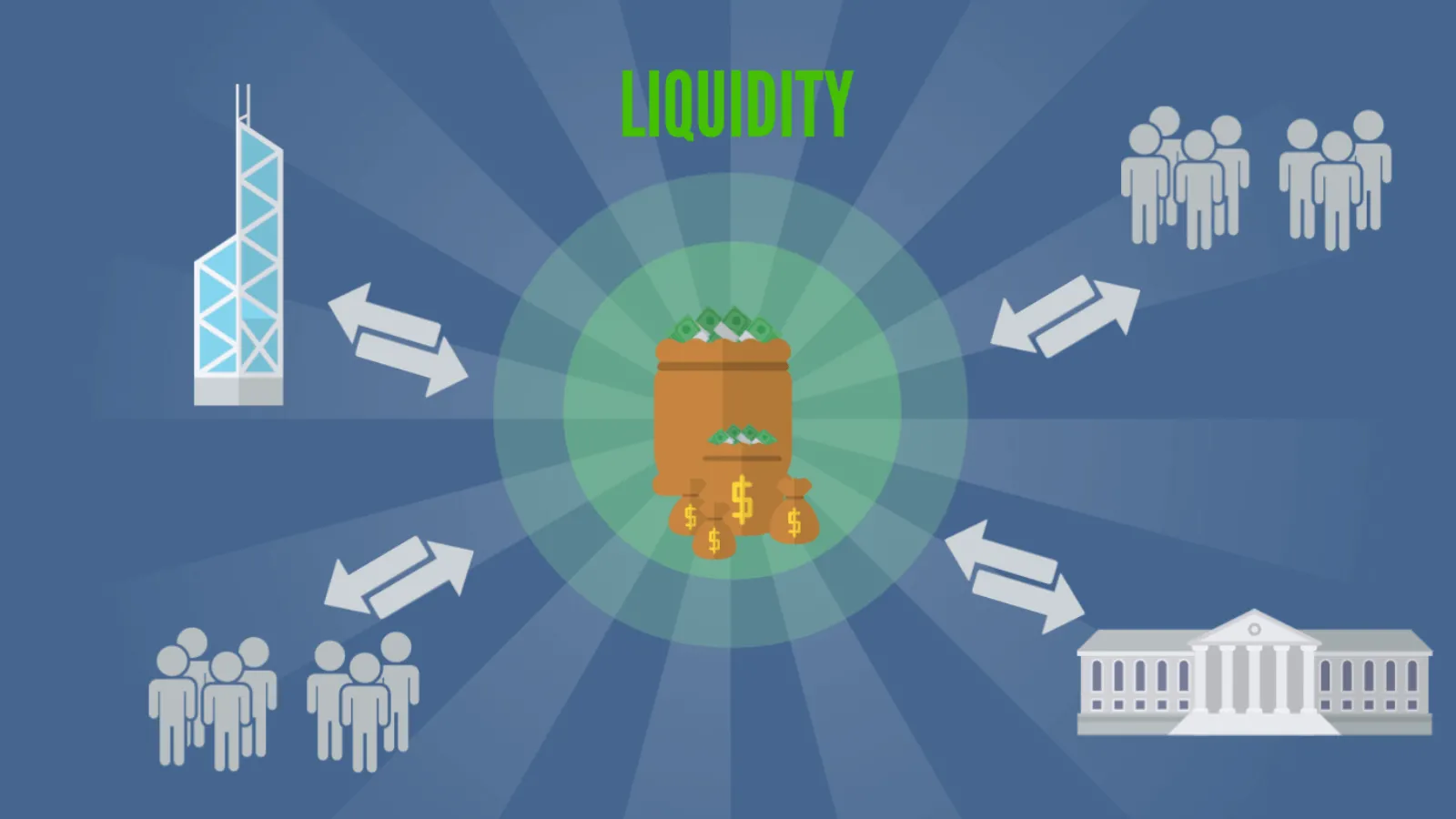
If there are many buyers and sellers, the market is liquid.
Liquidity providers are banks and large financial institutions that trade huge volumes of currency.
A broker can:
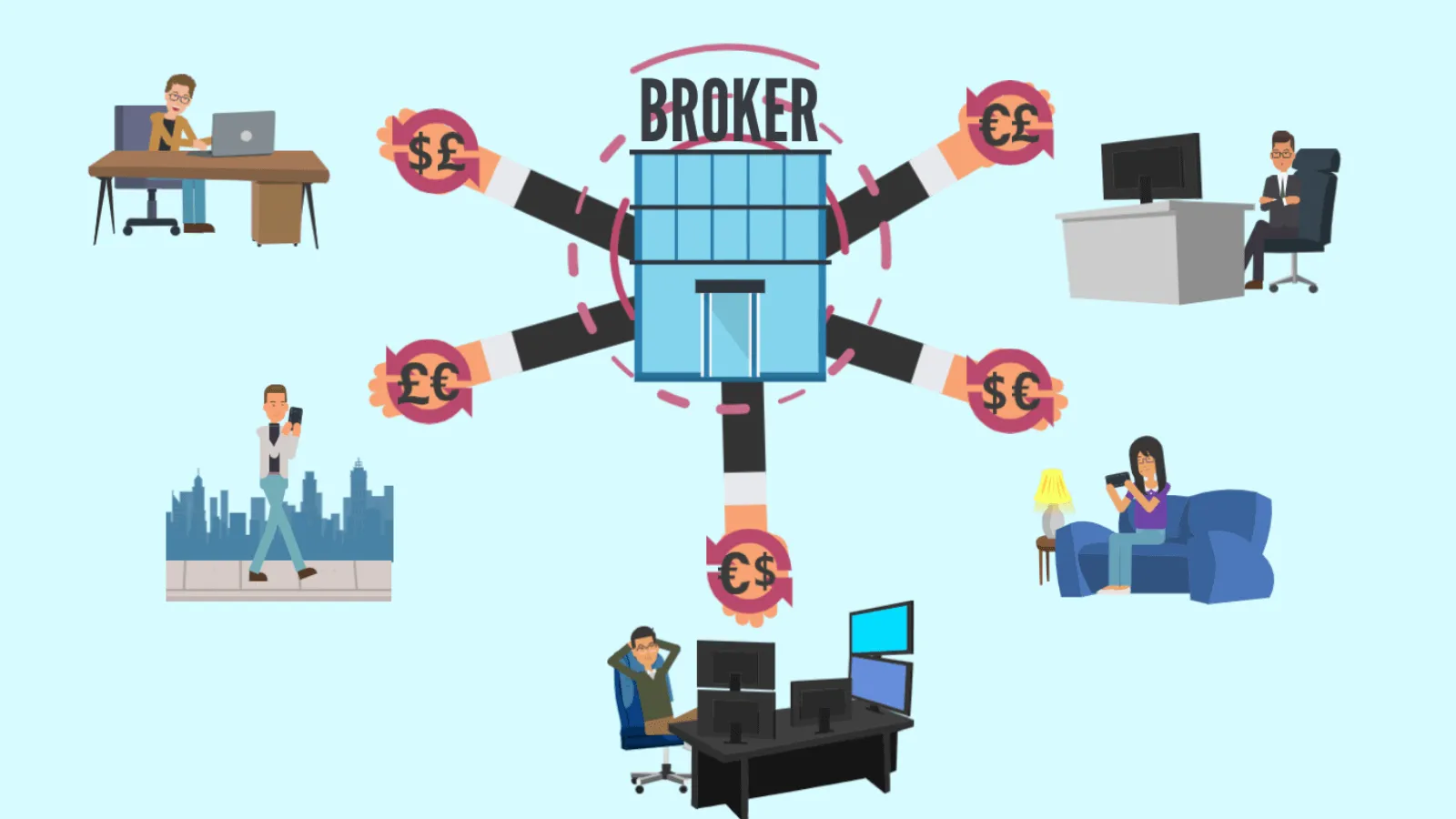
transfer trades to liquidity providers (banks);
act as a counterparty themselves, in which case they are called a market maker.

How to work with a broker?
In the past, trades were made through phone calls. Now it’s much simpler: you just need to install a trading platform or use a browser-based version. It’s faster, more convenient, and accessible from any device.
A trading platform is software that allows a trader to buy and sell assets, analyze the market, and manage trades.
Types of brokers
1. Market makers (dealing centers):
Act as the counterparty in trades.
Buy and sell assets on their own behalf.
2. Direct market access brokers (ECN/STP):
Send trades directly to liquidity providers (banks).
Receive quotes from financial institutions and pass them on to traders.
How to choose a broker?
When choosing a broker, it’s important to consider:
Regulation. Reliable companies are licensed by reputable authorities:
FCA (UK), NFA/CTSC (USA), CySEC (Cyprus), BaFin (Germany), ASIC (Australia), AMF (France), JSDA (Japan).
Trading conditions. Tight spreads are good for short-term trading, while quality support and education are important for beginners.
Service and support. Good customer service and access to educational resources are especially important for new traders.
Tip:
Compare several brokers, study their conditions, and choose the one that best suits your goals.