

Once you understand what stocks and funds are, the next logical question is: how do you trade them? It all depends on how active you want to be as a trader or investor.
Traditional stock purchases
If you plan to invest for the long term (buying and holding stocks for several years), you can purchase stocks directly through a bank or brokerage company.

Features:
- You become the owner of real shares.
- You pay a commission when buying and selling.
- This method is profitable when stock prices rise significantly.

Drawback: Commissions can be high for frequent trading.
Online brokers and active trading
If you want to buy and sell stocks frequently, it’s better to use online brokers and trading platforms.
A trading platform is software or a web interface where you place buy and sell orders. It provides fast execution and easy market access.
Two ways to trade stocks
1. Traditional stock purchase — you become a shareholder and own the shares.
2. Contracts for Difference (CFDs) — you speculate on price movements without actually owning the asset.
What is a CFD?
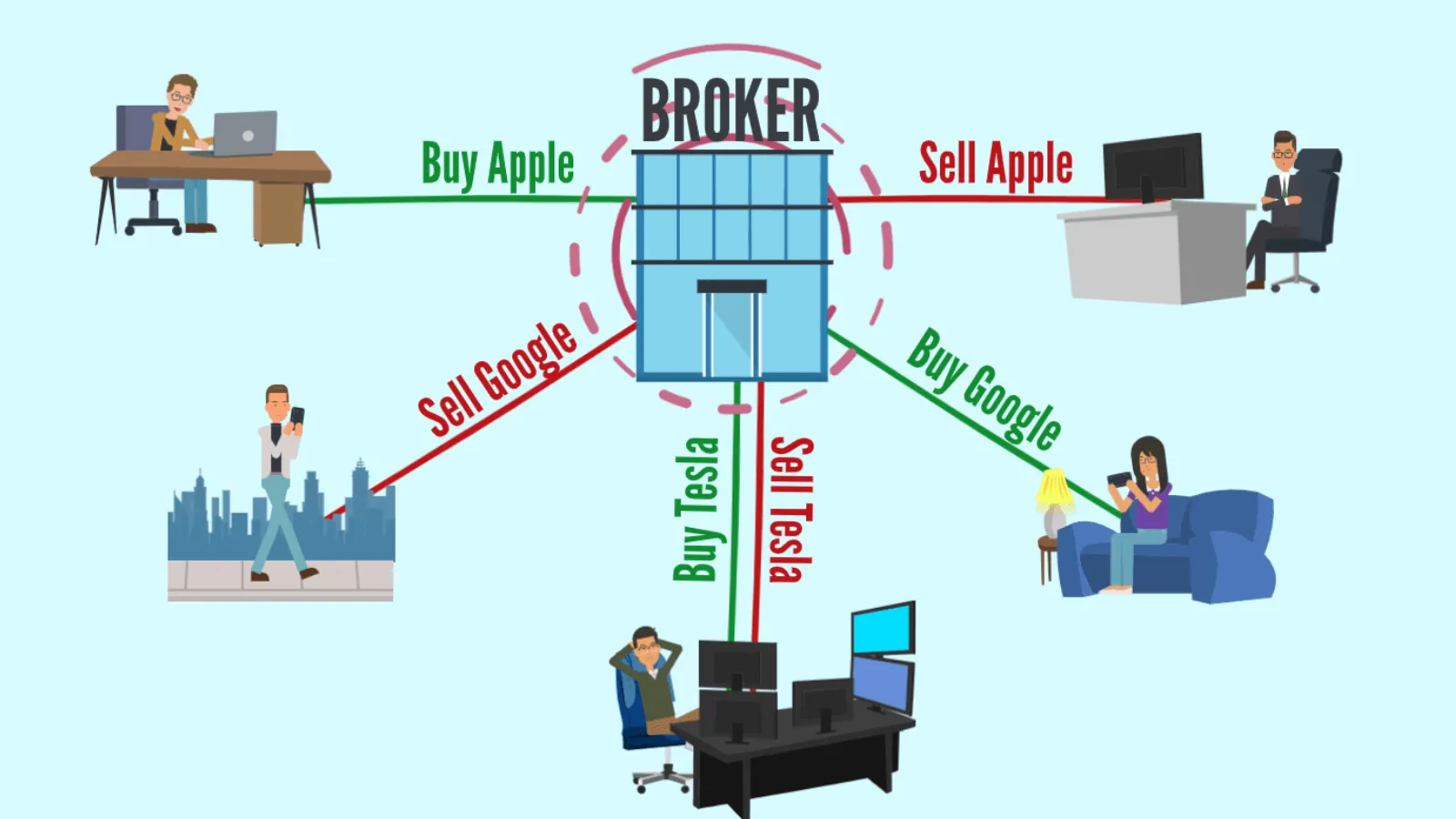
A Contract for Difference is an agreement between a trader and a broker to exchange the difference between the asset’s price at the opening and closing of the trade.
Example:
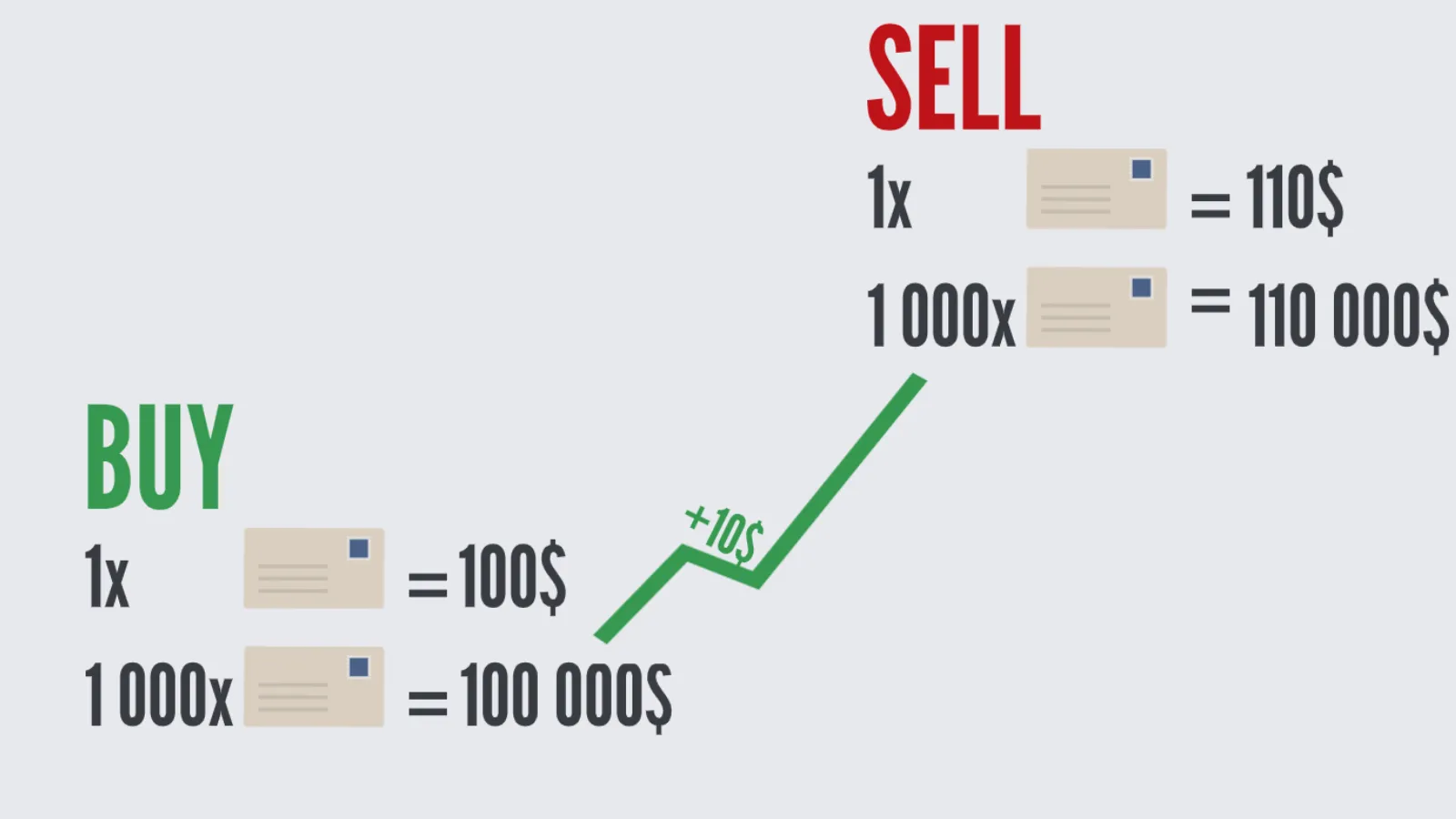
You open a CFD to buy Apple shares, expecting the price to rise.
If the price goes up — you make a profit.
If it drops — you incur a loss.
Advantages of CFDs:
No need to own the shares.
Quick trade execution.
Access to leverage (you can open larger positions with less capital).

Leverage
Leverage allows you to trade with more money than you actually deposit.
Example:
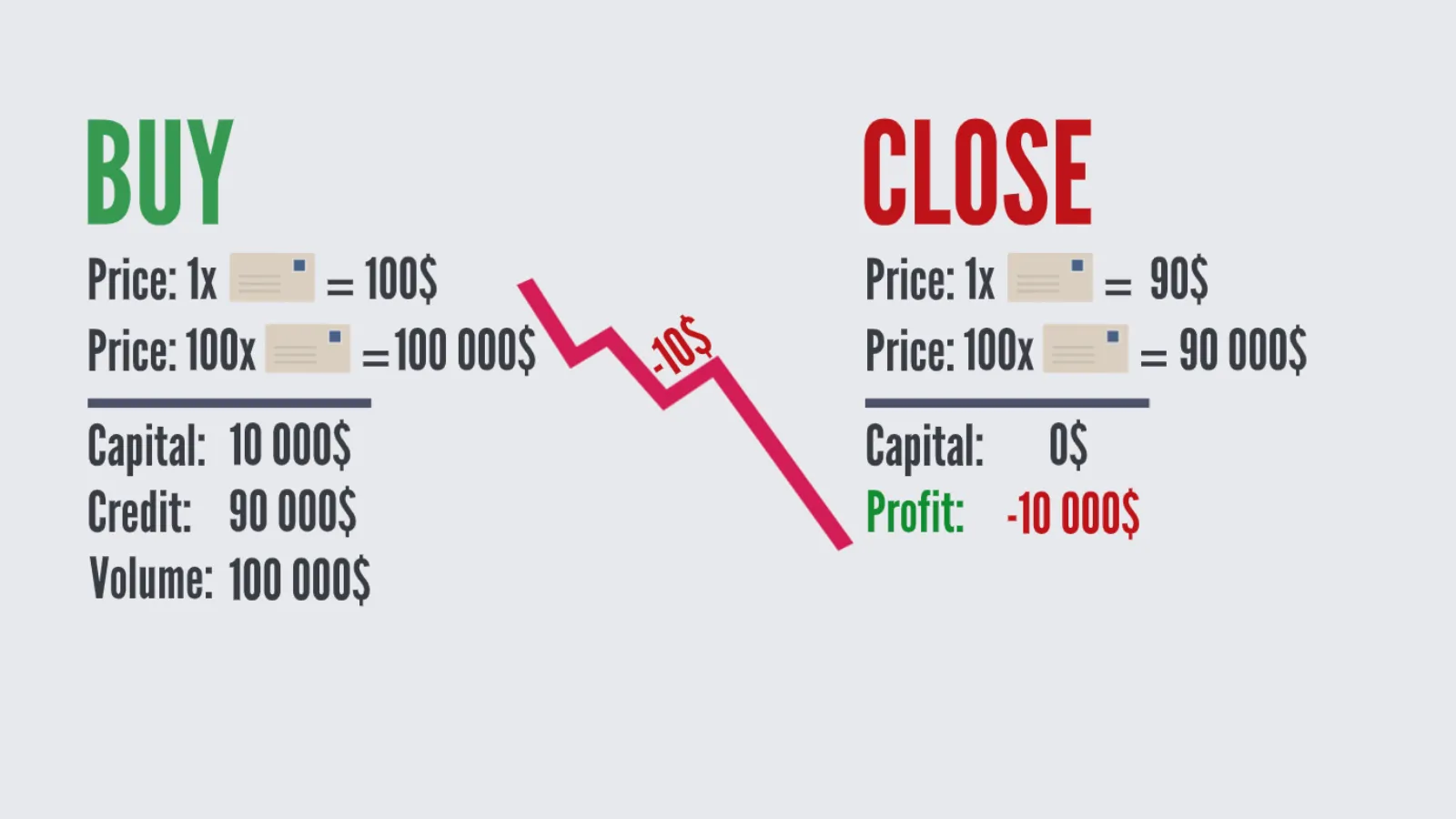
You want to buy 1,000 shares at \$100 each (total \$100,000).
With 1:10 leverage, you only need \$10,000 of your own funds.
If the price rises by \$10, you earn \$10,000. If it drops by \$1, you lose \$1,000.
Important: Leverage increases both potential profits and risks. Use it carefully.
Trading costs
Commissions and spreads— the difference between buy and sell prices.
Overnight fees (swaps) — charges for holding positions overnight.
Dividends:
Long positions: you receive dividends if you hold CFDs on the payout date.
Short positions: you pay dividends to stockholders.
CFDs vs traditional stocks
CFDs:
- Convenient for short-term trading.
- Easy to open short positions.
- Access to leverage.
Traditional stocks:
- Suitable for long-term investments.
- Gives shareholder rights (voting, attending meetings).
- Lower leverage-related risks.
Conclusion
Your choice between CFDs and traditional stocks depends on your goals: do you want to be an investor or an active trader?
CFDs are great for speculation and short-term trading, while real stocks are better for long-term ownership and earning dividends.