
A currency’s value is formed like any other asset — by supply and demand.
Government and monetary policies directly influence these factors.
Monetary Policy (Central Bank)
What is the money supply?
It’s the total amount of money available in the economy.
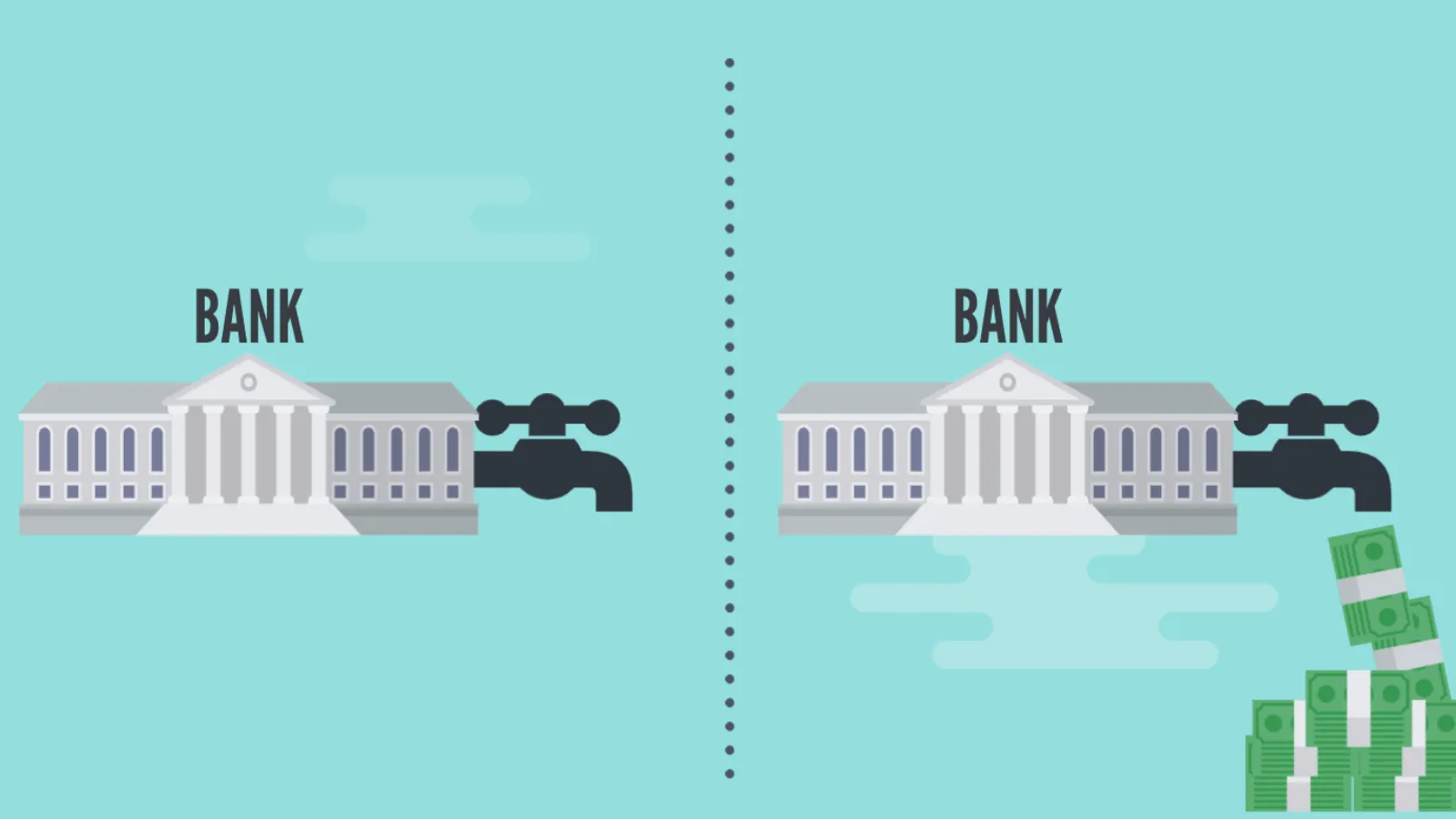
Increasing money supply → more spending and investment → stimulates the economy.
Decreasing money supply → less capital available → slows growth.
The balance between inflation and growth is maintained through stimulative (increasing money supply) and **restrictive** (reducing money supply) policies.
1. Interest Rates
The main tool of central banks:
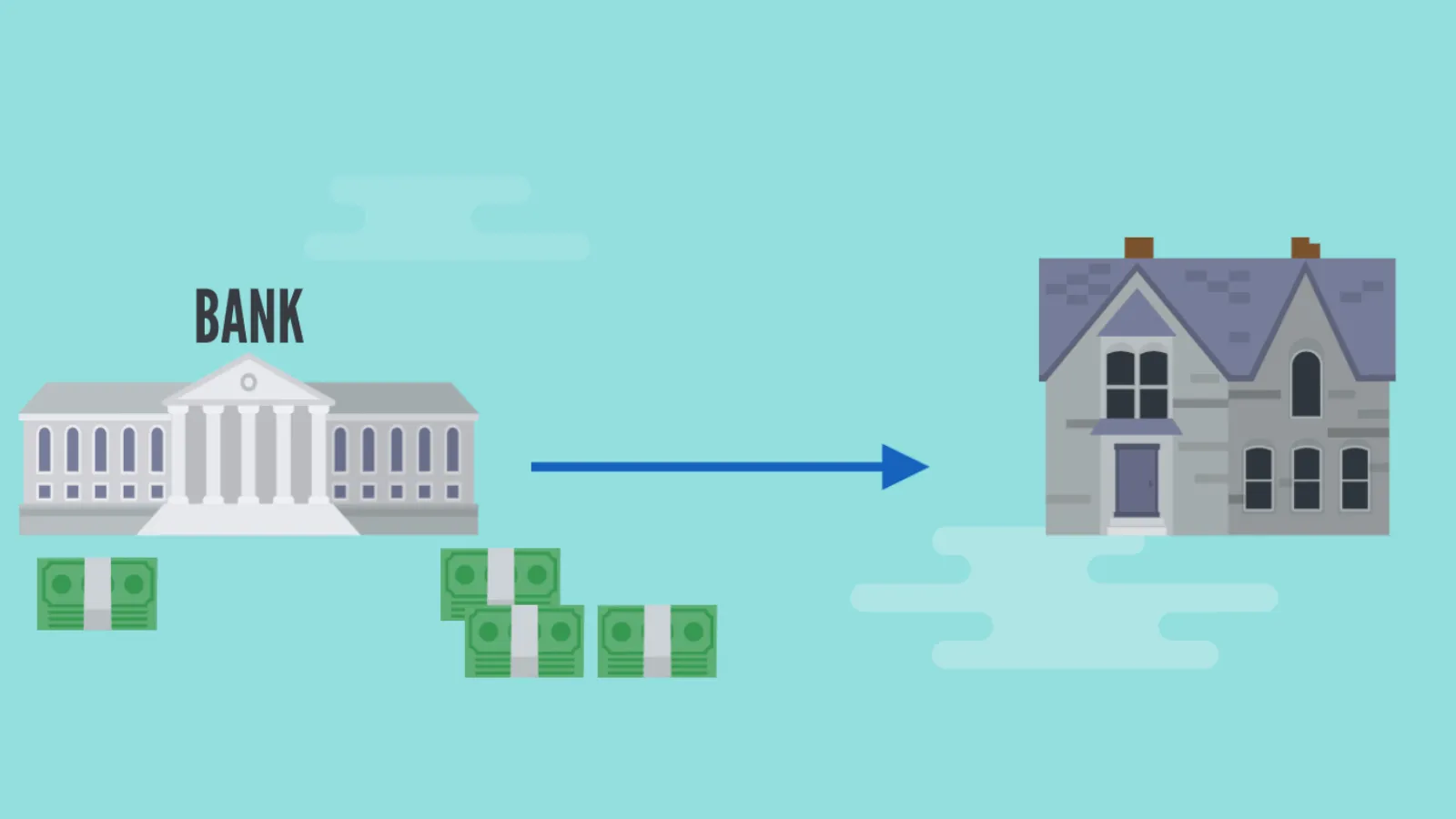
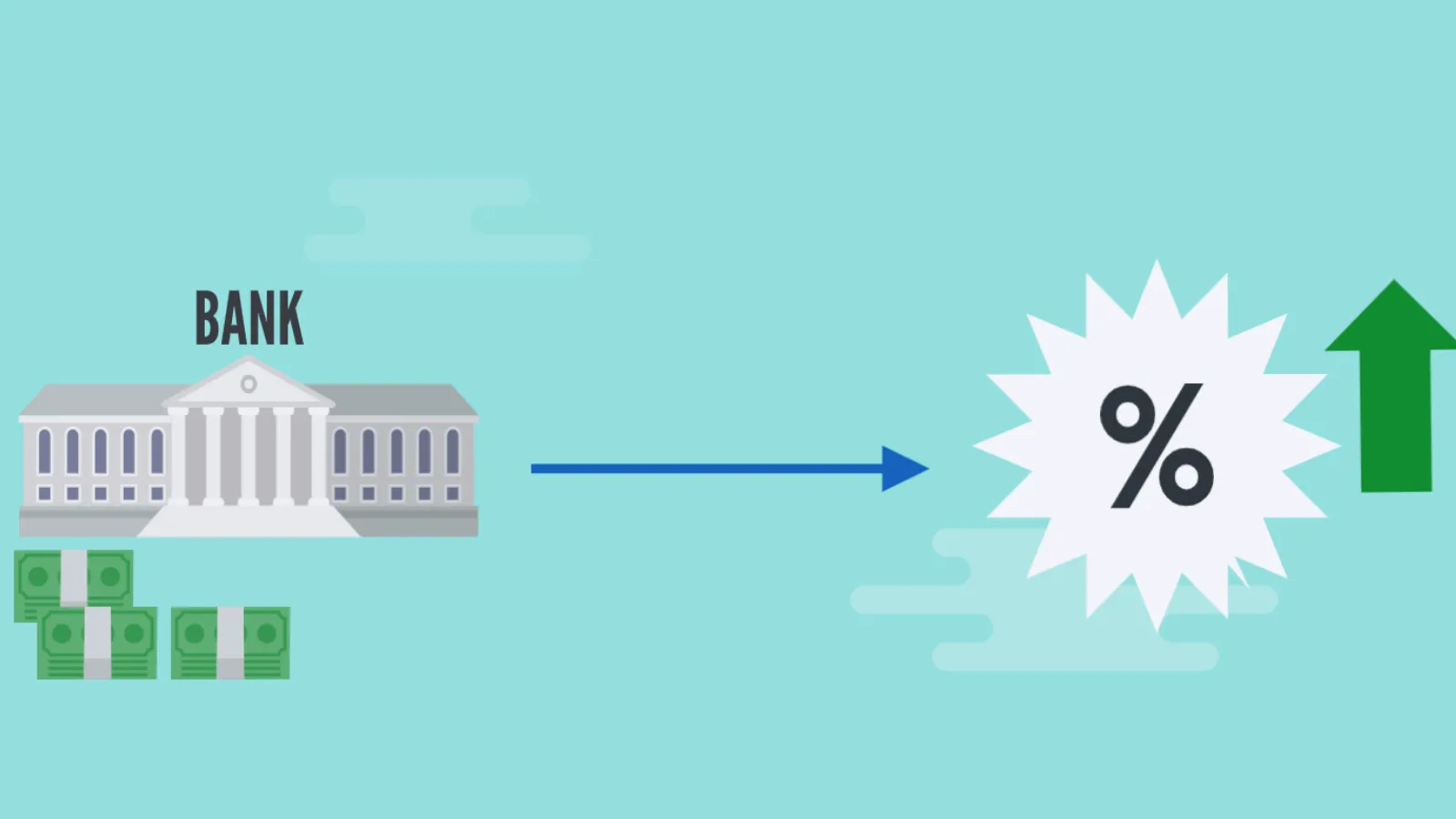
Raising rates → loans become more expensive → fewer borrowed funds → reduced spending and investment → inflation decreases.
Lowering rates → loans become cheaper → more borrowing and spending → stimulates the economy.
Impact on currency:
High rates → attract investors → currency strengthens.
Low rates → capital flows to countries with higher yields → currency weakens.

2. Reserve Requirements for Banks
Central banks regulate how much money banks must keep “in reserve.”
Raising requirements → fewer funds for lending → reduced money supply → currency strengthens.
Lowering requirements → more loans and investments → increased money supply → currency weakens.
Fiscal Policy (Government)
Fiscal policy is managing the economy through taxes and government spending.
Increased spending (infrastructure, government programs) → stimulates the economy, creates jobs.
Budget deficits (spending exceeds tax revenues) → financed through government debt issuance.
Impact on currency:
Active (expansionary) fiscal policy → can attract investors if debt is managed properly → strengthens the currency.
Excessive deficit without economic growth → undermines confidence in the currency → exchange rate declines.
Key Takeaways
Restrictive policy (raising rates, tightening reserves) → strengthens the currency.
Stimulative policy (lowering rates, reducing reserves, increasing spending) → weakens the currency.
Investors react not only to current measures but also to expectations of future central bank and government actions.