
Economic indicators reflect the current state of a country’s economy. They directly influence currency exchange rates because the health of an economy determines the demand for its national currency.
Among many indicators, interest rates and inflation have the greatest impact on the currency market.
1. Interest Rates
What are they?
An interest rate is the cost of borrowed money set by a country’s central bank.
When the central bank raises rates, it aims to slow down price growth (control inflation).
When the central bank lowers rates, it stimulates the economy (increase lending and consumption).
How does it work?
The central bank lends to commercial banks at the base rate.
Banks then issue loans to businesses and individuals with a markup.
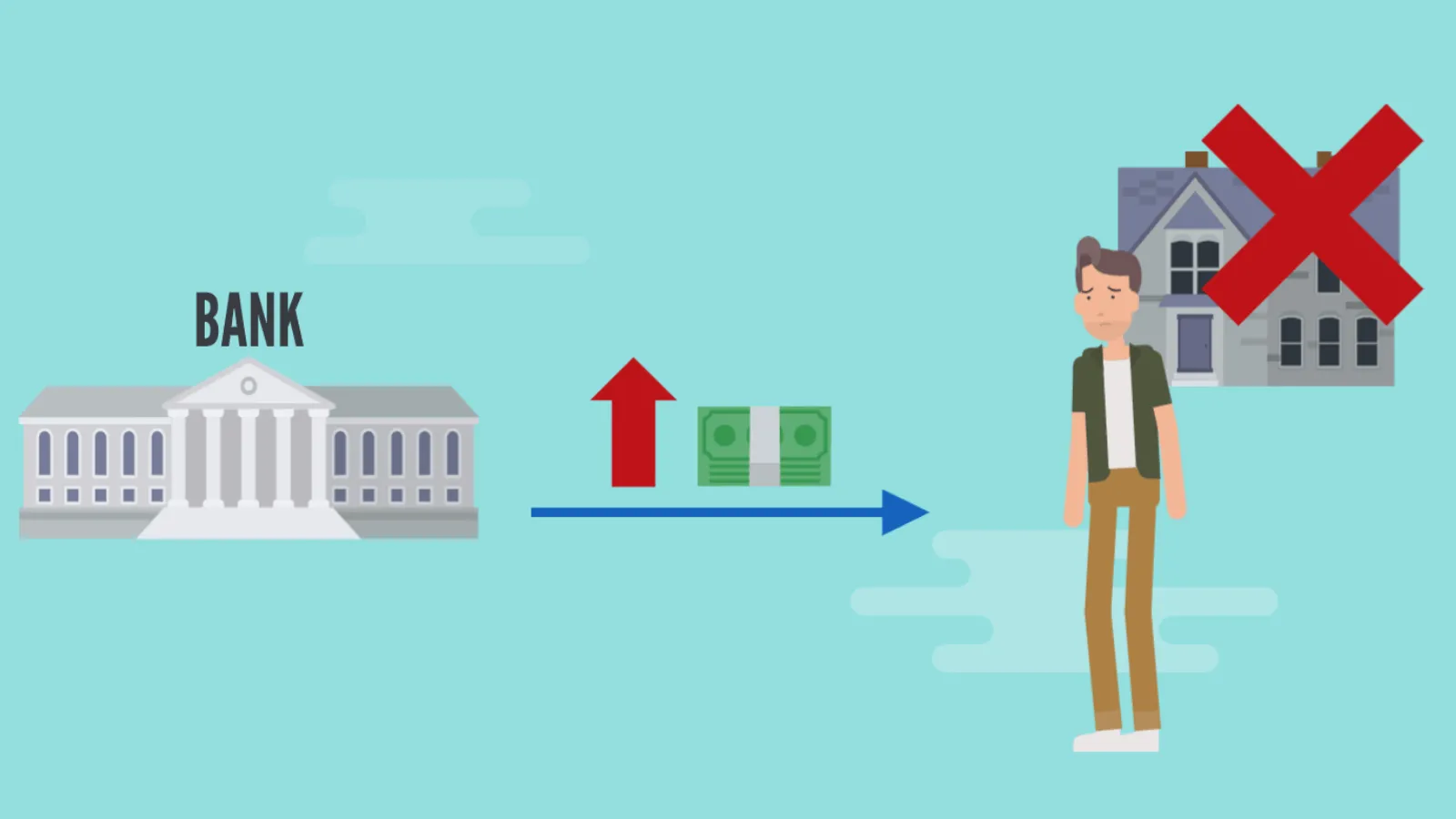
Higher rates → loans become expensive → consumption and investment decrease.
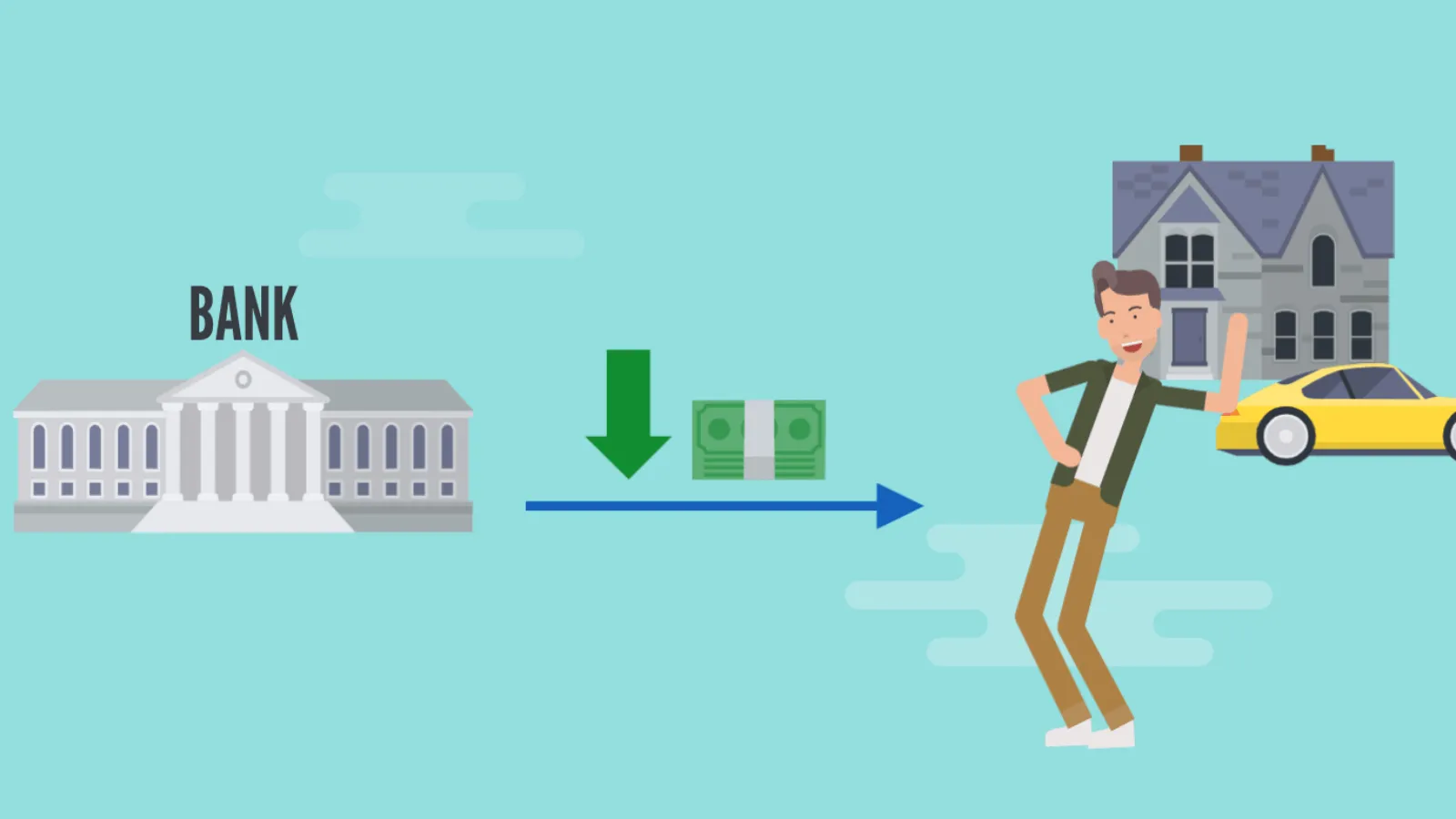
Lower rates → loans become cheaper → business activity increases.
Example: Mortgages
When rates rise: mortgage payments increase → households have less disposable income → economic growth slows.
When rates fall: mortgage payments decrease → people have more money to spend → the economy picks up.
How do interest rates affect a currency?
Higher rates make a currency more attractive to investors:
Higher returns on bank deposits and bonds.
Increased capital inflows.
→ Demand for the currency rises, and it strengthens.
Lower rates reduce the returns on assets:
→ Demand for the currency decreases, and it weakens.
2. Inflation
What is it?
Inflation is the rise in prices for goods and services over a specific period.
Moderate inflation (2–3%) is considered normal and even beneficial for economic growth.
High inflation erodes purchasing power and may weaken a currency.
Deflation (falling prices) signals economic weakness, which also negatively affects the currency.
How do central banks manage inflation?
With high inflation: they raise rates → loans get more expensive → demand slows → price growth decreases.
With low inflation: they lower rates → loans become cheaper → demand rises → the economy revives.
How does inflation affect a currency?
Inflation above expectations: the market expects rate hikes → demand for the currency rises → the currency strengthens.
Excessively high inflation: undermines trust in the economy → investors withdraw capital → the currency falls.
3. “Hawkish” and “Dovish” Central Bank Policy
Hawkish: the central bank prioritizes controlling inflation and is ready to raise rates → the currency usually strengthens.
Dovish: the central bank prioritizes economic growth and keeps rates low → the currency tends to weaken.
Conclusion
Interest rates and inflation are key indicators that drive currency movements.
Understanding central bank policy (hawkish or dovish) helps traders forecast exchange rate dynamics and make informed decisions.