
Fundamental analysis in the Forex market is a method of evaluating currencies based on the economic condition of the country they belong to. It helps understand why a currency’s value changes and use this information to predict its future movement.
The Core Idea of Fundamental Analysis
If a country’s economy is strong, it creates opportunities for business and investment.
Strong economy → high demand for its currency → currency appreciation.
If the economy weakens, investors withdraw capital, demand falls, and the currency depreciates.
What Is Used in Fundamental Analysis?
Economic indicators
These are regular reports on the state of the economy (GDP, unemployment rate, inflation, etc.).
Published by government agencies and independent institutions.
Released on a schedule: weekly, monthly, quarterly, or annually.
raders analyze the latest results and compare them with previous data.
Why are reports important?
Positive figures → investors are willing to invest in the country → buy its currency → exchange rate rises.
Negative figures → capital outflow → reduced demand → exchange rate falls.
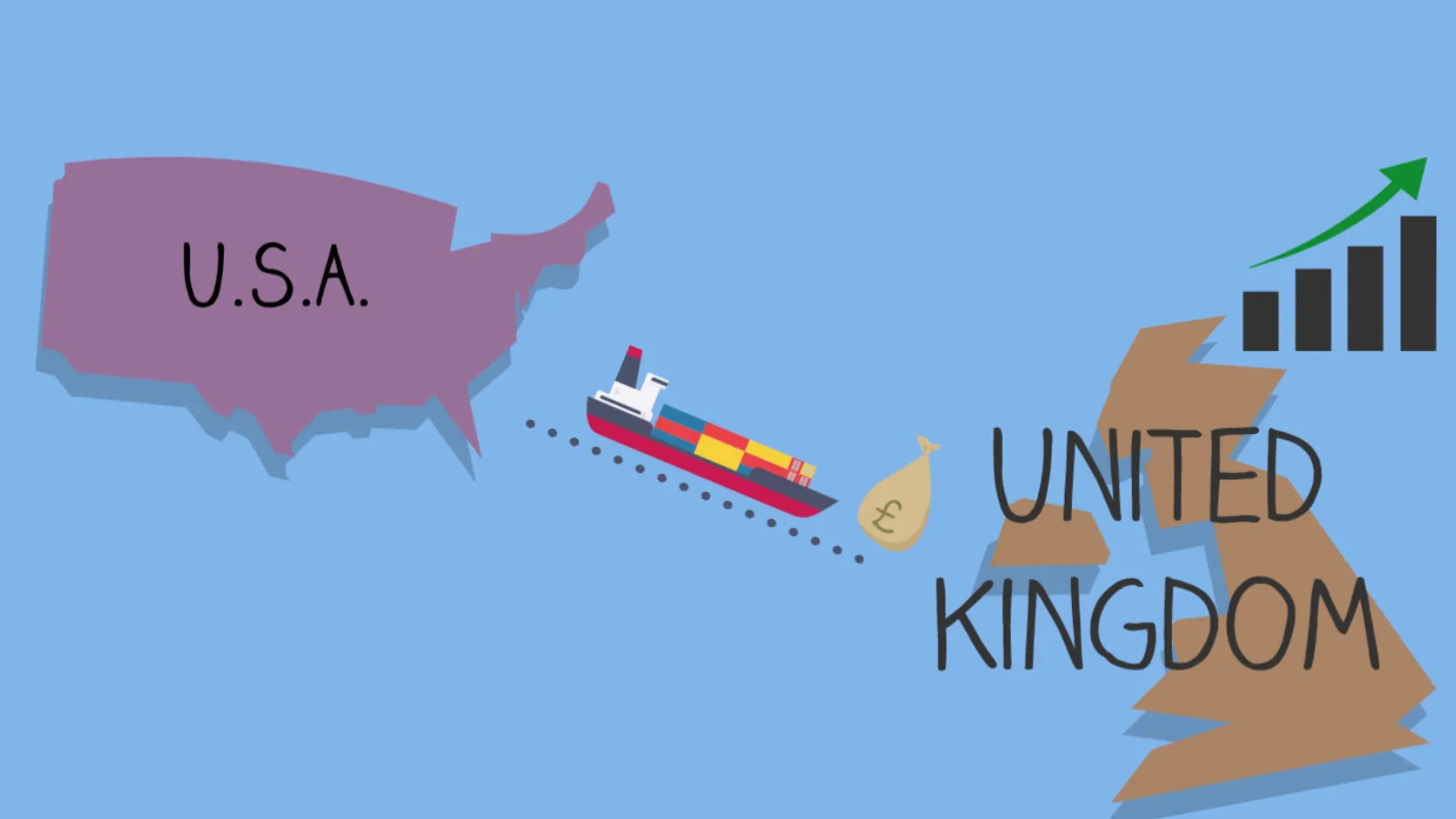
The Impact of Exports on a Currency
If a country actively exports goods and services (for example, technology, raw materials, or financial services):
Foreign companies must buy its currency to pay for these goods and services.
Demand for the currency increases → its value rises.
How Does the Market React to News?
Before key data is released, market participants make forecasts and “price in” their expectations.
If the results meet expectations — price movement is minimal.
If the results differ significantly — prices can move sharply and become volatile.
Economic Calendar — A Trader’s Tool
The release time of important reports is always known in advance.
Use the economic calendar to prepare for news releases.
The strongest price movements often happen when results are unexpected, which makes reports that differ from forecasts particularly important.
Example:
Before the release of the US Non-Farm Payrolls (NFP) report:
Traders often close short-term positions to reduce risk.
Liquidity drops, and immediately after the data release, the price may swing sharply in both directions, creating challenging trading conditions.
Conclusion
Fundamental analysis helps traders understand why a currency rises or falls and predict long-term price movements based on macroeconomic data.